

Rahul Gandhi’s Vietnam Trip Sparks BJP Jibe; Congress Hits Back Over Foreign Travel Controversy
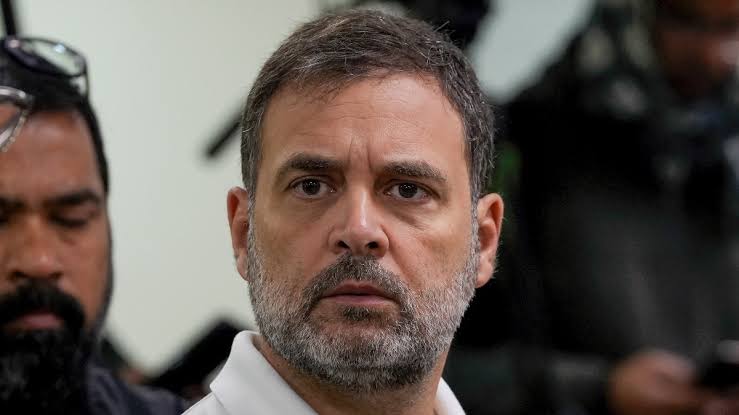
The BJP has taken a swipe at Lok Sabha Leader of Opposition Rahul Gandhi over his alleged visit to Vietnam, sharing a video on social media and questioning his absence amid opposition protests. The Congress has defended Gandhi’s right to travel during his personal time and hit back by raising questions about Prime Minister Narendra Modi’s foreign visits.
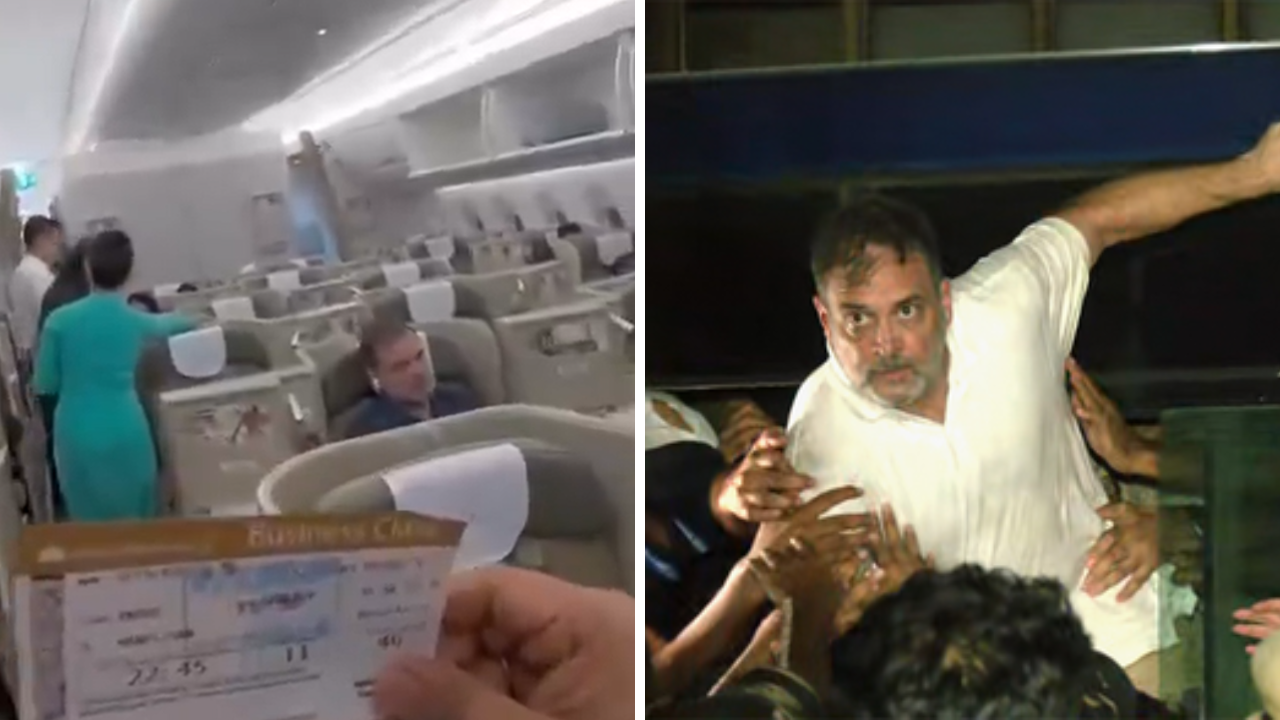
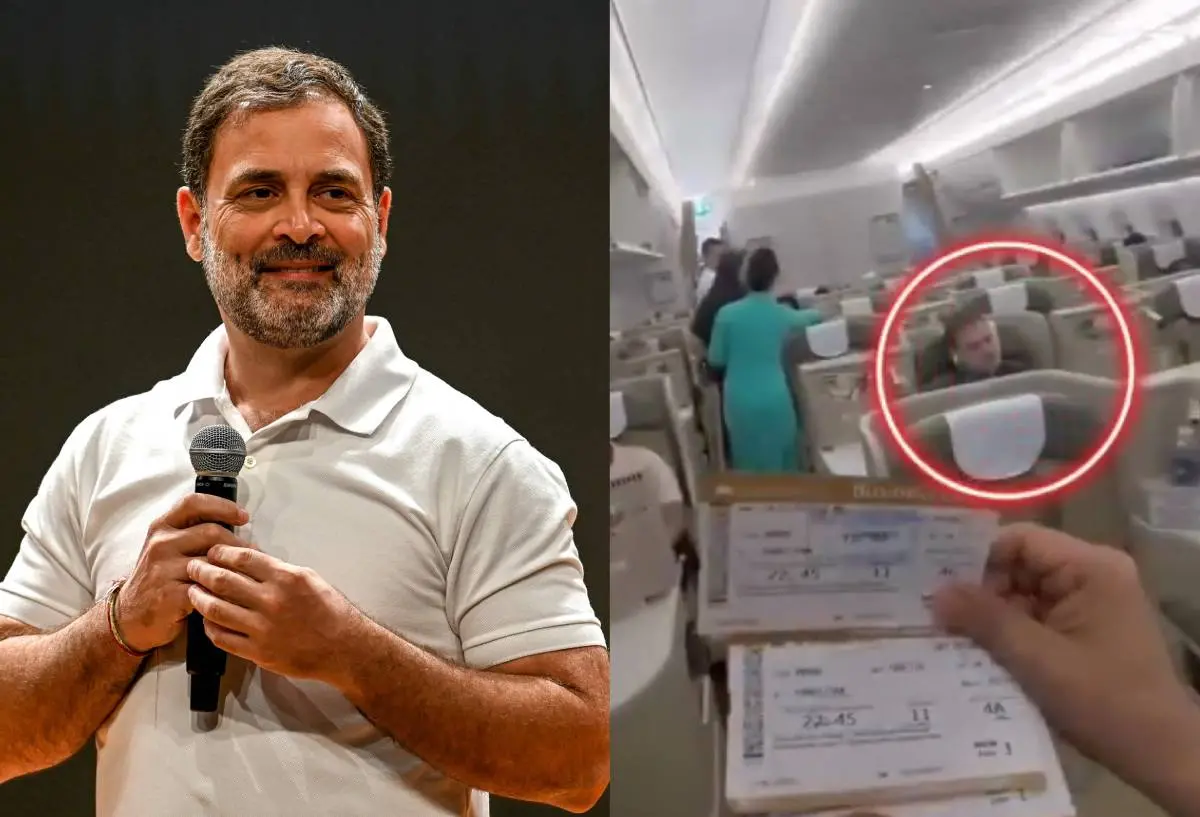
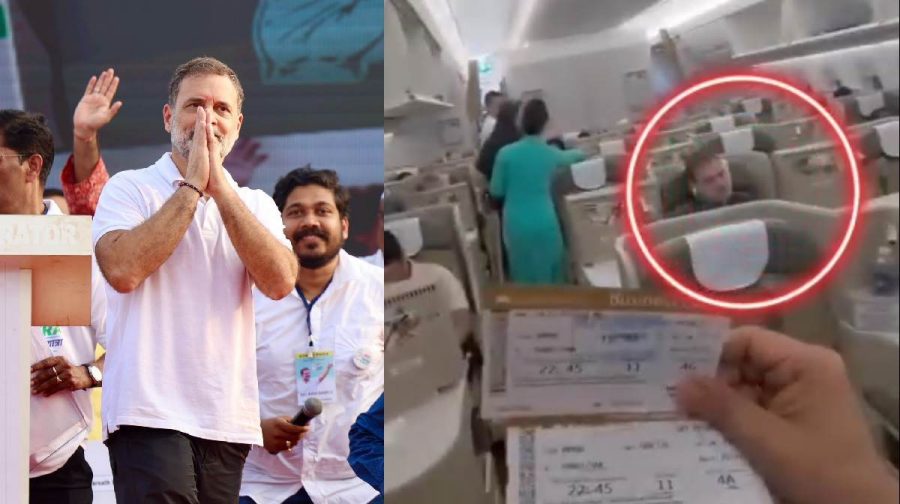
The alleged Vietnam trip of Congress leader Rahul Gandhi has triggered a fresh political exchange between the Bharatiya Janata Party (BJP) and the Congress. On October 20, the BJP shared a video on social media that purportedly showed Gandhi seated inside an aircraft and used it to criticise him over his foreign travel.
The BJP's remarks came amid protests by opposition parties over alleged irregularities in the Special Intensive Revision (SIR) of electoral rolls. The opposition has been demanding accountability from Chief Election Commissioner Gyanesh Kumar over the electoral roll revision process.
The Congress rejected the criticism, arguing that Gandhi has a personal life alongside his responsibilities as Leader of the Opposition. Congress leader Sandeep Dikshit also questioned why the BJP was making an issue of Gandhi's foreign travel and referred to Prime Minister Narendra Modi's overseas visits.
The episode has once again brought the political debate over leaders' foreign trips, public responsibilities and opposition protests into focus.
Why Did the BJP Target Rahul Gandhi Over His Vietnam Trip?
The controversy began after the BJP shared a video on its official X account that allegedly showed Rahul Gandhi travelling aboard a flight to Vietnam.
In its post, the BJP used a sarcastic caption suggesting that Gandhi was tired of spreading lies and had decided to take a few days off in Vietnam.
The party wrote: "I'm tired of spreading lies... Let me go roam around Vietnam for a few days... Who would even find out!"
The post was intended as a political dig at the Congress leader, whom the BJP accused of raising controversies in India before leaving for overseas trips.
The BJP also criticised Gandhi for his alleged absence while opposition parties were campaigning against the SIR process. The party suggested that his travel raised questions about his commitment to the political movement.
However, the video and the party's accompanying claims should be distinguished from independently confirmed details about the trip. The BJP presented the footage as evidence of Gandhi's travel, but the video alone does not establish every detail of his itinerary.
BJP Leaders Question Rahul Gandhi's Political Engagement
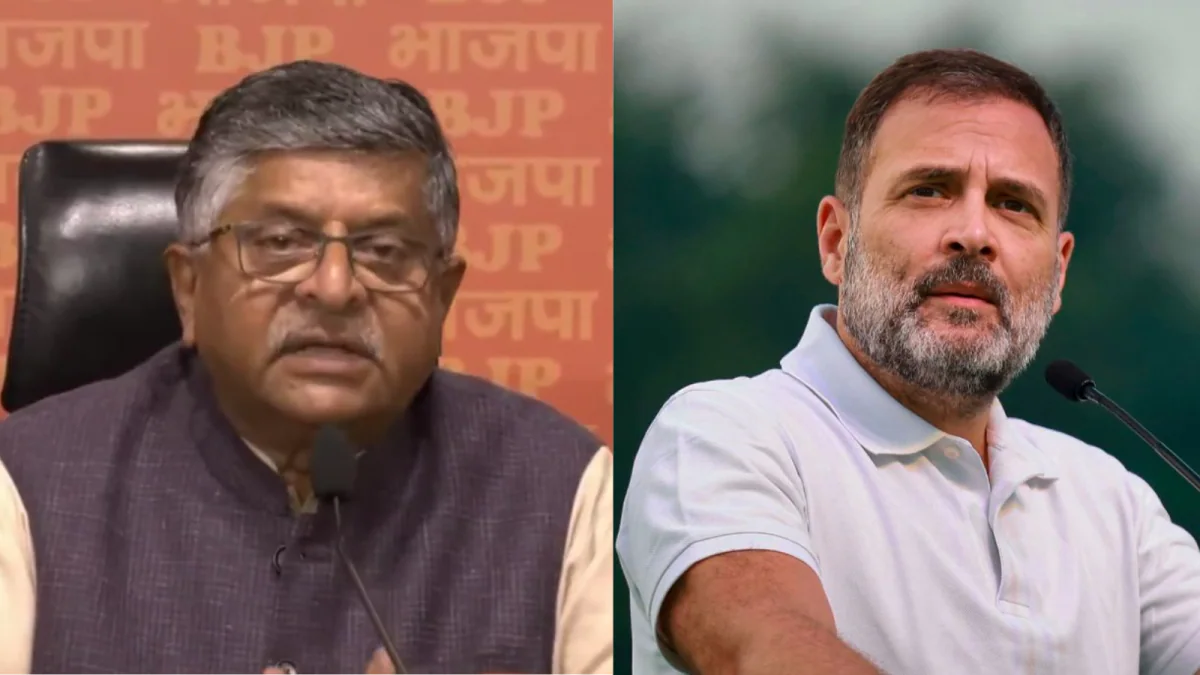
Several BJP leaders also criticised Gandhi over the reported trip.
BJP leaders accused the Congress leader of repeatedly travelling abroad after participating in political protests and public campaigns.
The criticism was framed around the timing of the alleged Vietnam visit, which came as opposition parties were raising objections to the electoral roll revision process.
The BJP has frequently questioned Gandhi's overseas travel, arguing that the Congress leader should explain his absences during important political developments.
The Congress, on the other hand, maintains that foreign travel is not incompatible with political responsibilities and that Gandhi's activities abroad can include meetings and discussions with students, academics and other individuals.
The latest exchange reflects the broader political rivalry between the ruling BJP and the opposition Congress, with both parties using public statements and social media to challenge each other's positions.
How Did the Congress Respond to the BJP's Remarks?
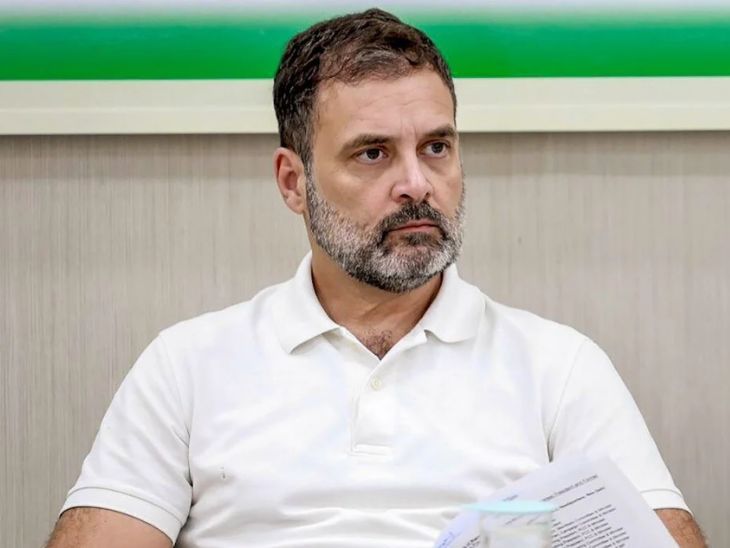
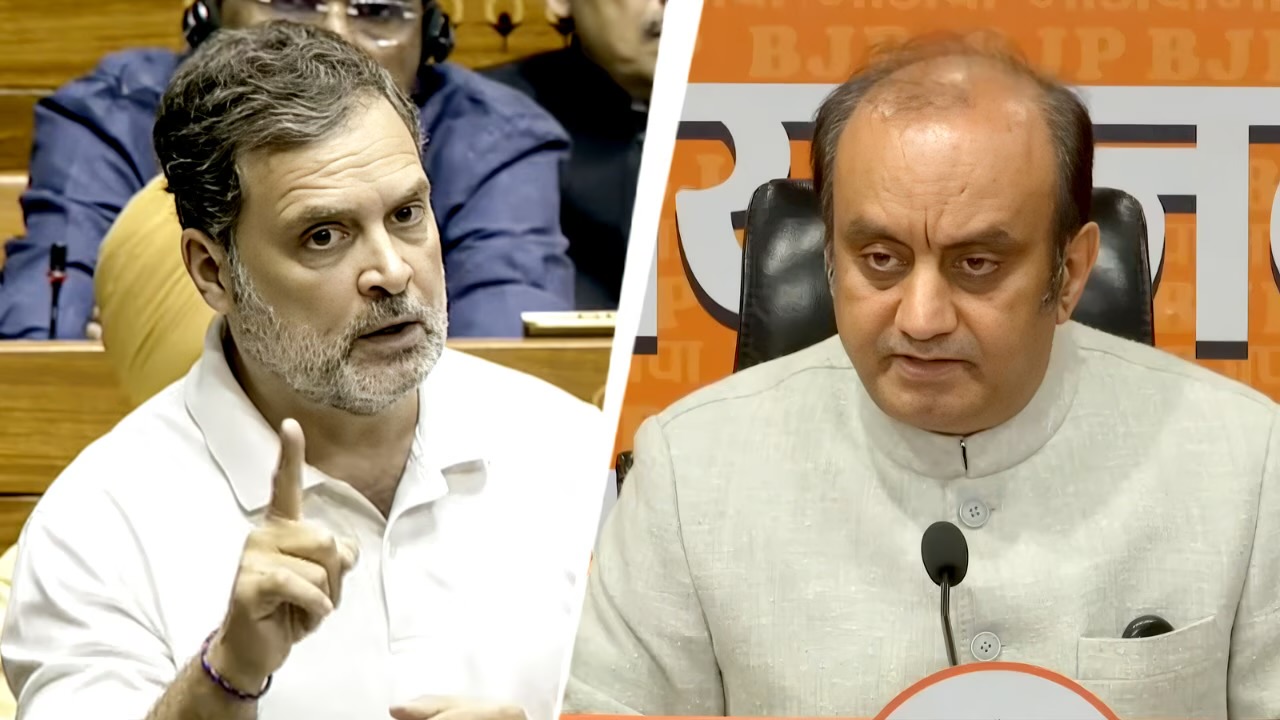
Congress leader Sandeep Dikshit defended Rahul Gandhi's right to travel abroad and rejected the criticism directed at him.
Speaking to ANI, Dikshit said that Gandhi has a personal life in addition to his responsibilities as Leader of the Opposition.
He also argued that Gandhi makes productive use of his overseas visits, including by interacting with students and intellectuals.
Dikshit cited meetings with students at Yale University and discussions with academics and other people abroad as examples of the activities Gandhi has undertaken during international visits.
He questioned why the BJP was treating the alleged Vietnam trip as a political controversy.
The Congress leader also turned the criticism towards Prime Minister Narendra Modi, raising questions about the prime minister's foreign travel during parliamentary sessions.
Dikshit's response sought to shift the debate from Gandhi's alleged travel plans to the broader question of how political leaders balance personal travel, international engagements and public duties.
The Congress has maintained that the BJP's criticism is politically motivated and that Gandhi's travel should not automatically be interpreted as an abandonment of his responsibilities.
Congress Raises Questions About PM Modi's Foreign Visits
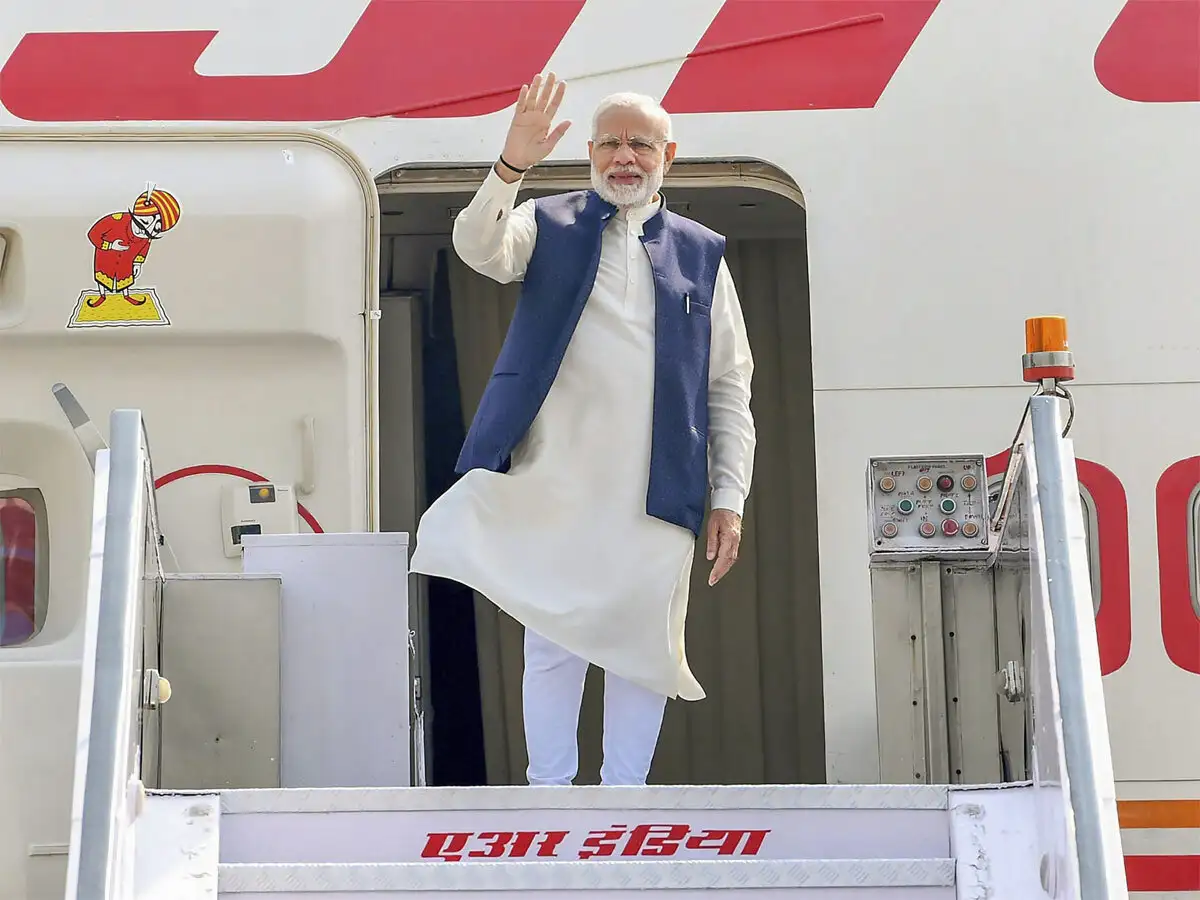
In its response, the Congress also referred to Prime Minister Narendra Modi's overseas travel.
Dikshit questioned why the BJP criticised Gandhi for travelling abroad while the prime minister had also undertaken foreign visits during periods of parliamentary activity.
The argument was intended to challenge what the Congress sees as inconsistent standards in the BJP's criticism of opposition leaders.
The two parties, however, have different interpretations of the issue. The BJP has focused on the timing of Gandhi's alleged trip and the opposition's ongoing protests, while the Congress has emphasised an individual's right to travel and the broader responsibilities of political officeholders.
Whether a particular trip affects a leader's official duties depends on its timing, the responsibilities involved and the relevant parliamentary or organisational commitments. The fact that a leader travels abroad does not, by itself, establish whether those duties have been fulfilled.
What Is the SIR Controversy About?
The political dispute over Rahul Gandhi's alleged Vietnam trip has emerged against the backdrop of opposition protests concerning the Special Intensive Revision of electoral rolls.
The SIR process involves a detailed revision of voter lists to examine and update electoral records. The exercise has become a point of contention between the opposition and the Election Commission in several political debates.
Rahul Gandhi and other opposition leaders have raised concerns about alleged irregularities and the need for transparency in the process. Opposition parties have also demanded the resignation of Chief Election Commissioner Gyanesh Kumar.
The BJP and the Election Commission have rejected allegations of wrongdoing, with the ruling party accusing the opposition of making misleading claims.
The dispute has led to demonstrations and political statements, with opposition parties seeking answers about how electoral records are being reviewed and updated.
The controversy is politically significant because electoral rolls determine who is registered to vote. Questions about accuracy, transparency and the treatment of eligible voters are therefore important to the credibility of the electoral process.
At the same time, allegations of irregularities must be assessed against verifiable evidence, official records and the applicable electoral procedures.
Why Has Rahul Gandhi's Foreign Travel Become a Political Issue?
Rahul Gandhi's foreign visits have repeatedly attracted criticism from the BJP. The latest episode illustrates how international travel can become a subject of domestic political debate when it coincides with protests or other major political events.
The BJP has argued that the timing of Gandhi's alleged Vietnam trip raises questions about his involvement in the opposition's campaign against the SIR process.
The Congress has countered that travel during personal time is not evidence of a lack of commitment and that Gandhi's international engagements can include discussions with students, academics and other groups.
The disagreement also reflects a wider political contest over leadership, accountability and public engagement.
For political parties, the visibility of a leader during protests and public campaigns can become part of the broader debate over their role in opposition politics. However, claims about a leader's commitment or effectiveness remain political assessments and should not be confused with independently established facts.
In this case, the immediate dispute centres on the timing of the alleged trip, the video shared by the BJP and the competing explanations offered by the two parties.
What Happens Next?
The BJP and Congress are likely to continue presenting different interpretations of the controversy as the dispute over electoral roll revision remains part of the political debate.
The BJP has used Gandhi's alleged Vietnam visit to question his presence during opposition protests, while the Congress has defended his right to travel and challenged the BJP's criticism by referring to the prime minister's overseas visits.
The larger political issue remains the opposition's concerns about the SIR process and the Election Commission's handling of electoral roll revision. Any substantive resolution will depend on the relevant official procedures, evidence and responses from the authorities concerned.
For now, the Vietnam trip controversy has added another point of confrontation between the two major political parties.
टिप्पणियाँ (0)
टिप्पणी करने के लिए लॉग इन करें।