

Best Books for People Who Feel Alone: Stories That Make You Feel Understood
Sometimes, the hardest part of life is not being alone. It is having so much to say and feeling like there is nobody who will truly listen.
You may spend your day talking to people, replying to messages, attending classes, or going to work, yet still feel a strange emptiness when everything becomes quiet. You may have friends but feel misunderstood. You may smile in front of everyone and struggle with your thoughts when you are finally alone.
If you have ever felt this way, you are not alone in feeling alone.
Books cannot replace human connection, a caring friend, or a warm conversation. But the right book can offer comfort when you need it most. It can put your feelings into words, help you understand yourself, and remind you that other people have walked through similar emotional experiences.
So, if you are looking for the best books for people who feel alone, here are some thoughtful reads that may make your days a little easier.
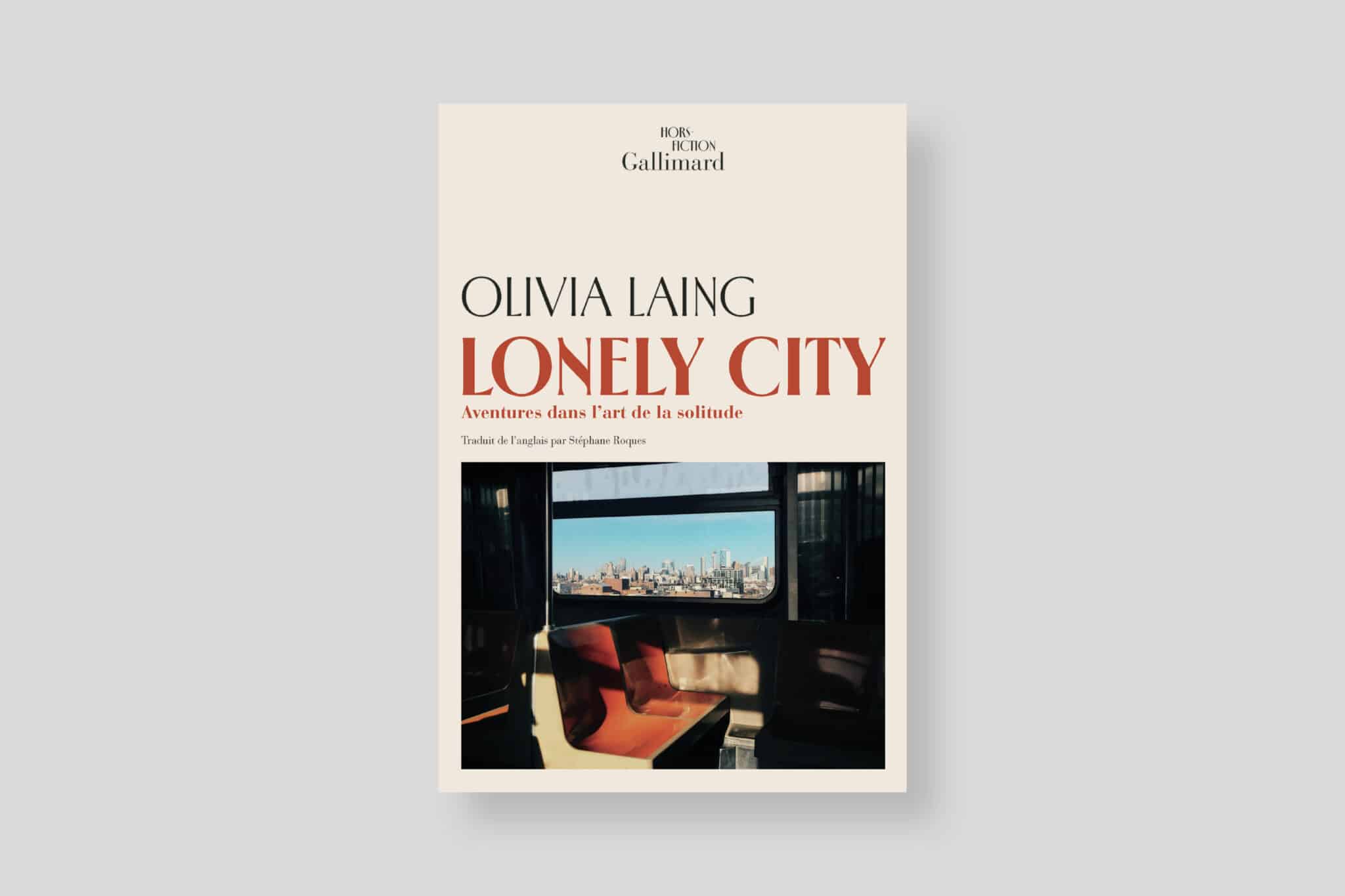
1. The Lonely City by Olivia Laing
Best for: People who feel lonely even when surrounded by others.
Have you ever looked around a crowded room and still felt completely disconnected? The Lonely City: Adventures in the Art of Being Alone explores this complicated feeling through personal reflections, art, and the lives of artists who experienced isolation.
Olivia Laing examines how loneliness shapes the way we see ourselves and the world around us. The book offers an honest look at the emotional distance that can exist between people, even in busy cities filled with life.
What makes this book special is that it does not treat loneliness as something embarrassing. Instead, it explores loneliness as a deeply human experience that deserves understanding.
Sometimes, you do not need someone to solve your problems. You simply need to know that someone understands what you are going through.
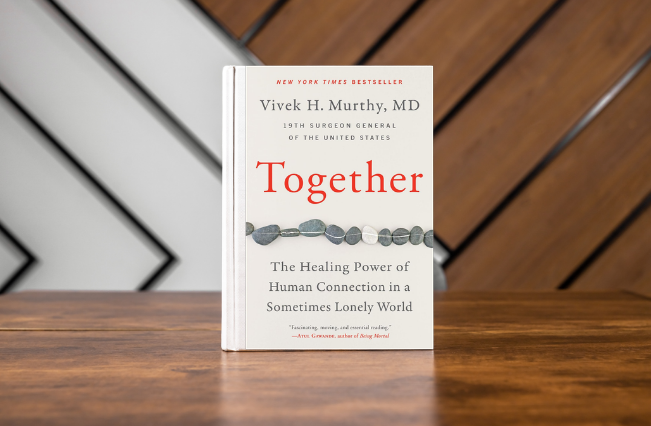
2. Together by Vivek H. Murthy
Best for: People who want to feel connected to others again.
In Together: The Healing Power of Human Connection in a Sometimes Lonely World, Vivek H. Murthy explores the importance of relationships, friendship, community, and belonging.
One of the difficult things about loneliness is that it can make you withdraw from people. You might stop calling friends, avoid social gatherings, or convince yourself that nobody would notice if you disappeared from the conversation.
But connection does not always begin with a dramatic change. Sometimes, it begins with a simple message, a short conversation with a neighbour, or making time for someone you care about.
This book encourages readers to recognise the value of everyday human relationships and take small steps towards meaningful connection.
It is a good choice if you want more than comfort and are ready to make small changes in your daily life.
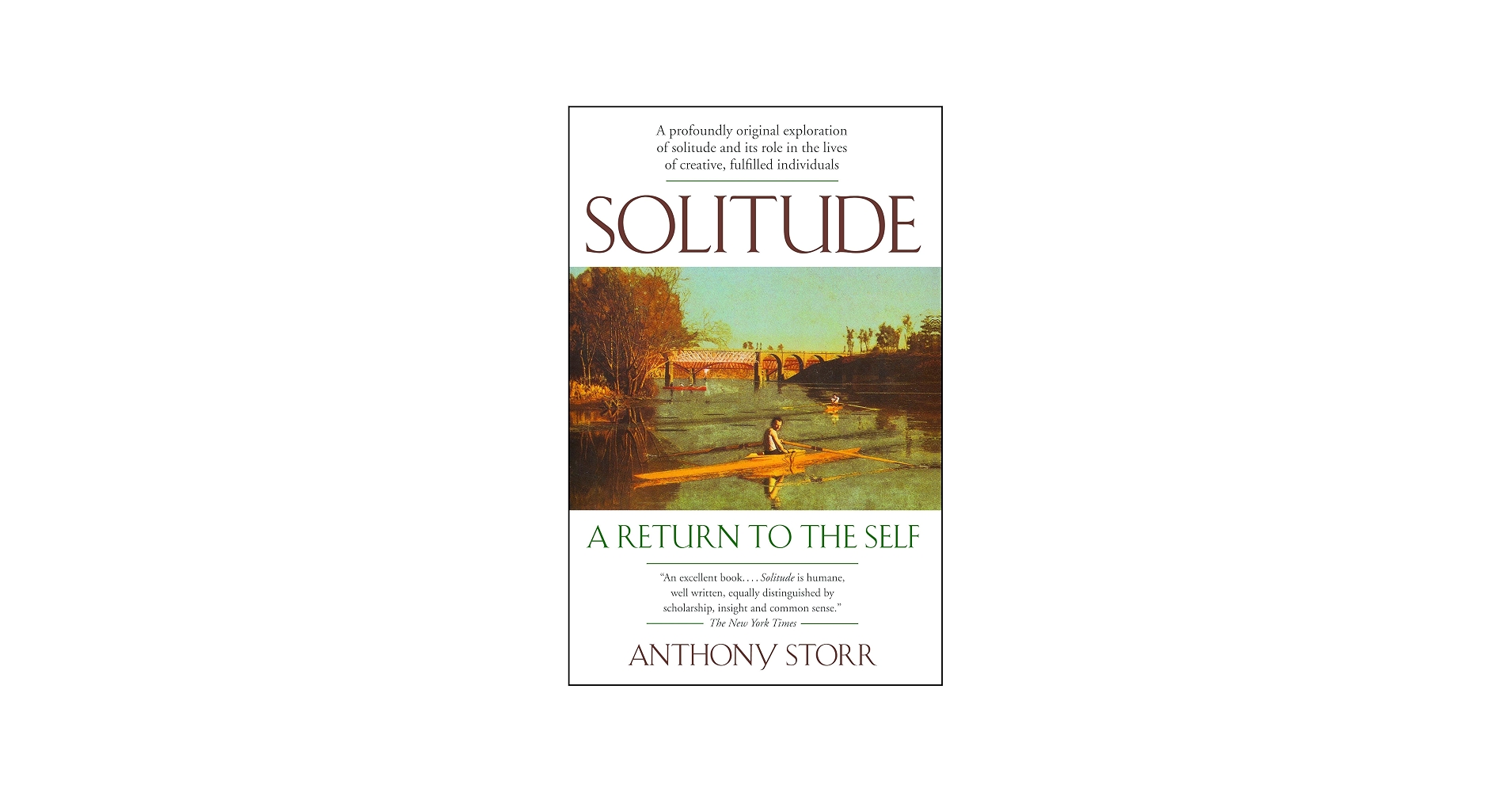
3. Solitude: A Return to the Self by Anthony Storr
Best for: People who want to become comfortable spending time alone.
Being alone and feeling lonely are not always the same thing.
There are moments when solitude can be peaceful. You can enjoy your favourite music, take a long walk, read a book, or simply sit quietly without needing to explain yourself to anyone.
Anthony Storr's Solitude: A Return to the Self explores the value of spending time alone and how solitude can contribute to creativity, personal growth, and self-understanding.
The book challenges the idea that a successful or happy life must always revolve around relationships and social approval.
You do not need to fill every quiet moment with noise. You do not need to be constantly available to everyone. And you do not have to feel guilty for enjoying your own company.
Learning to be comfortable alone can help you build a healthier relationship with yourself.
4. The Comfort Book by Matt Haig
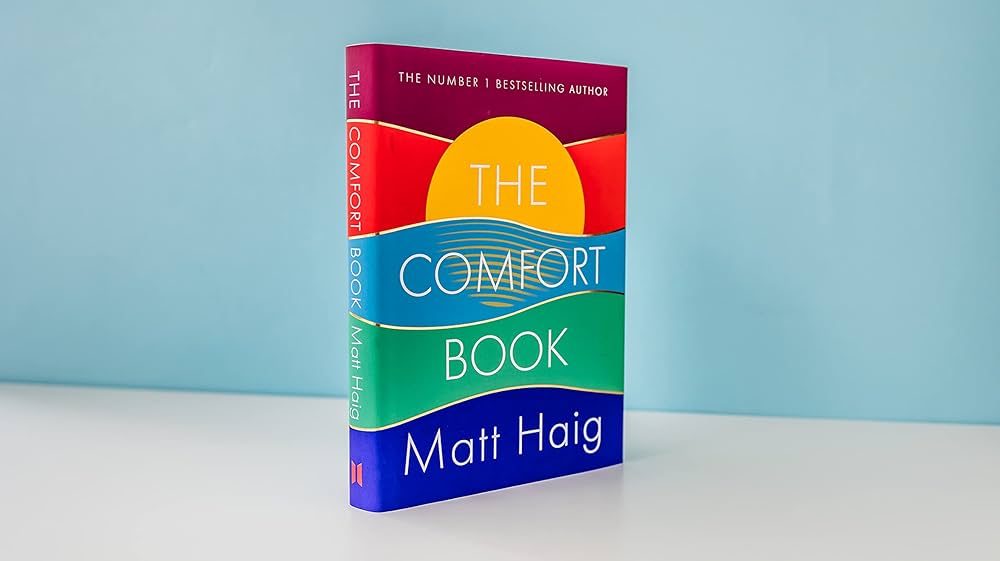
Best for: People who need gentle reminders during difficult days.
Not every book needs to teach you a complicated lesson. Sometimes, you need something that feels like a kind conversation at the end of a difficult day.
The Comfort Book by Matt Haig brings together short reflections, observations, and encouraging thoughts about life, hope, and getting through challenging moments.
Its short sections make it easy to read when you do not have the energy to concentrate on a long chapter.
You can read a few pages in the morning, keep it beside your bed, or return to it when your thoughts feel overwhelming.
The book does not suggest that every problem can be solved with a positive attitude. Instead, it offers gentle reminders that difficult feelings can change and that a bad day does not define your entire life.
Sometimes, a small reminder that life is still worth experiencing is enough to help you take the next step.
5. Man's Search for Meaning by Viktor E. Frankl
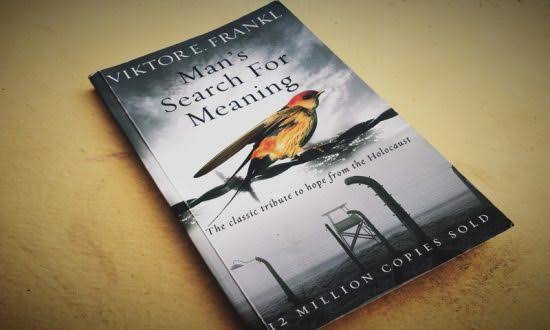
Best for: People searching for meaning during difficult periods of life.
There are times when loneliness becomes part of a larger struggle. You may feel uncertain about your future, disappointed by life, or unsure what you are working towards.
Viktor E. Frankl's Man's Search for Meaning draws on his experiences as a Holocaust survivor and his work as a psychiatrist. It explores how people search for meaning even in circumstances involving profound suffering.
This is a serious and emotionally challenging book, not a quick solution to loneliness. However, its reflections on purpose, responsibility, and the human capacity to find meaning can offer a different perspective during difficult periods.
It may encourage you to ask yourself an important question: even when life is not going the way I hoped, what still gives my life meaning?
Your answer does not have to be extraordinary. It might be caring for someone, learning a skill, creating something, or simply continuing to move towards a better tomorrow.
6. The Little Prince by Antoine de Saint-Exupéry
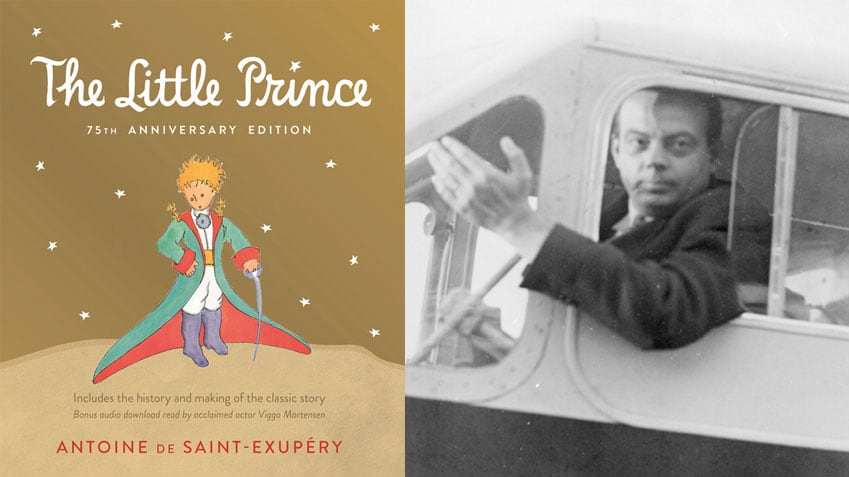
Best for: People who miss simple, meaningful connections.
At first glance, The Little Prince may look like a children's book. But its reflections on love, friendship, responsibility, and human relationships can speak to readers of all ages.
Through the journey of a young prince, Antoine de Saint-Exupéry explores how people sometimes overlook what truly matters while becoming caught up in appearances, status, and everyday concerns.
The story gently reminds us that meaningful relationships are not built through grand gestures alone. They grow through attention, patience, care, and the time we choose to give one another.
For someone feeling disconnected from the world, this book can be a gentle reminder that the simplest moments sometimes carry the deepest meaning.
It is a short read, but one that may stay in your mind long after you finish it.
7. Walden by Henry David Thoreau

Best for: People who want to slow down and reconnect with themselves.
In Walden, Henry David Thoreau reflects on his experience of living simply in a cabin near Walden Pond.
The book explores nature, independence, everyday life, and the importance of questioning the habits and expectations that shape our lives.
If you often feel exhausted by social pressure, constant comparisons, or the need to keep up with everyone else, Waldenmay offer a refreshing change of pace.
It encourages readers to pay attention to the world around them and consider what they genuinely need to live a meaningful life.
Although it is an older work and its writing style may take some getting used to, its central questions remain relevant: Are we living according to our own values, or are we simply following what everyone expects from us?
Sometimes, a quieter life can give us the space to hear our own thoughts again.
Which Book Should You Read First?
The best book depends on what you are feeling and what you need right now.
- If you feel misunderstood: Start with The Lonely City by Olivia Laing.
- If you want to rebuild relationships: Read Together by Vivek H. Murthy.
- If you want to enjoy your own company: Try Solitude: A Return to the Self by Anthony Storr.
- If you need comfort on difficult days: Pick up The Comfort Book by Matt Haig.
- If you are searching for purpose: Read Man's Search for Meaning by Viktor E. Frankl.
- If you want a gentle story about connection: Choose The Little Prince by Antoine de Saint-Exupéry.
- If you want to slow down and reflect: Explore Walden by Henry David Thoreau.
You do not need to read all seven books. Choose the one that speaks to your present situation, and give yourself time to absorb it.
A Few Small Things You Can Do When You Feel Alone
Reading can help you understand your emotions, but you can also take small steps to make your days feel less lonely.
1. Stop pretending that you are always okay. You do not need to tell everyone how you feel, but try being honest with someone you trust.
2. Reach out to one person. You do not need a large social circle to experience meaningful connection. A short message or a simple phone call can be a beginning.
3. Spend time outside. Take a walk, visit a library, sit in a park, or enjoy a cup of tea somewhere peaceful. Being around the world, even without a conversation, can help break up a difficult day.
4. Make time for something you enjoy. Read, cook, exercise, write in a journal, or learn something new. Give your day a little structure and something to look forward to.
5. Remember that asking for support is okay. If loneliness continues to feel overwhelming or begins affecting your daily life, consider speaking with a mental health professional or someone you trust.
You do not have to solve everything at once. Small steps count, too.
Comments (0)
Login to comment.