
Is Buying Gold Jewellery an Investment or Just an Expense?
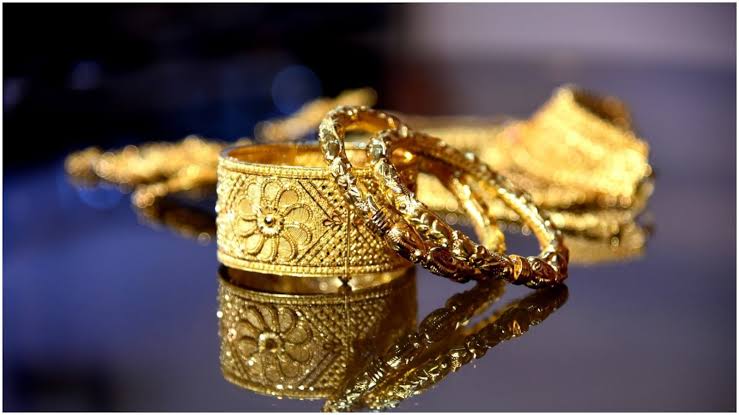
In India, gold jewellery is much more than a fashion accessory. It represents tradition, family memories, financial security, and an important part of celebrations such as weddings and festivals. Many families buy gold not only for personal use but also with the belief that it will help them financially in the future.
But an important question remains: **Is buying gold jewellery really an investment, or is it an expense that may not give you the returns you expect?
The answer depends on why you are buying it, how much you pay for it, and what you plan to do with it in the future. Gold jewellery can retain significant value, but it is not always the most cost-effective way to invest in gold.
1. Why Do Indians Consider Gold Jewellery an Investment?
Gold has held cultural and financial importance in India for generations. Families often purchase jewellery during weddings, festivals, births, and other special occasions. Many people also consider gold a form of financial security that can be sold or pledged when money is urgently needed.
Unlike many consumer products, gold jewellery contains a precious metal that can retain resale value. If gold prices rise over time, the gold content in a piece of jewellery may also become more valuable.
However, the resale value depends on several factors, including purity, net gold weight, the prevailing gold rate, and the buyer's deductions. The amount originally paid for the jewellery is not necessarily the amount you will receive when selling it.
2. The Hidden Cost of Buying Gold Jewellery
One of the biggest disadvantages of jewellery as an investment is the additional cost involved in purchasing it.
When you buy gold jewellery, the final bill may include:
- The value of the gold used in the piece
- Making charges for designing and manufacturing the jewellery
- Applicable taxes
- Additional design-related or product-specific charges, where applicable
Making charges can vary significantly depending on the jeweller, design, and manufacturing process. Intricate designs and branded jewellery may cost more than simpler pieces of similar gold weight and purity.
For example, imagine you buy a gold necklace for ₹1,00,000. A portion of that amount pays for the gold itself, while the rest may cover making charges, taxes, and other costs.
If you later sell the necklace, the buyer may primarily value its recoverable gold content rather than the full original purchase price. Some or all of the making charges may not be recovered.
This is why jewellery can be a good purchase for personal use but a less efficient choice when the only objective is financial returns.
3. Does Gold Jewellery Increase in Value Over Time?
Gold prices fluctuate according to several factors, including international demand, interest rates, currency movements, inflation expectations, and geopolitical uncertainty.
When gold prices rise, the value of the gold contained in your jewellery may increase. However, that does not automatically mean you have made a profit.
Consider a simple example.
Suppose the recoverable gold value of a piece of jewellery increases from ₹70,000 to ₹85,000 over a period of time. If you originally paid ₹1,00,000 for the jewellery, you would still receive less than your purchase price if the resale value were ₹85,000 before any further deductions.
These figures are illustrative, not actual market prices.
The important lesson is to compare your potential resale proceeds with your **total purchase cost**, not simply compare today's gold price with the gold price when you bought the jewellery.
Gold prices can also fall, and there is no guarantee that an investment will generate a profit over a particular period.
4. Gold Jewellery vs Gold ETFs: What Is the Difference?
People who want exposure to gold have several options. Jewellery is one of them, but financial products such as Gold Exchange-Traded Funds (ETFs) may suit certain investors better.
Gold jewellery: It offers personal use, cultural value, and the possibility of recovering some value when sold. However, making charges, taxes, storage, and resale deductions can reduce the financial return.
Gold coins and bars: These provide physical ownership of gold without the same design-related costs associated with jewellery, although premiums, taxes, storage, and resale conditions still matter.
Gold ETFs: These are investment products traded on stock exchanges that aim to track the price of gold. They generally require a demat and trading account and may involve fund expenses and brokerage costs. Their market price can also differ from the underlying gold value.
No option is completely risk-free or universally best. The right choice depends on your investment goals, time horizon, liquidity needs, and willingness to manage physical gold.
If you want jewellery to wear and enjoy, buying it can serve a genuine purpose. If your primary objective is to invest in gold, compare the total costs and risks of different options before deciding.
5. Why BIS Hallmarking Matters When Buying Gold
Purity is one of the most important factors affecting the value of gold jewellery.
In India, buyers should check for the BIS hallmark and verify the six-character alphanumeric Hallmark Unique Identification (HUID) number using the official BIS Care app.
Common gold purity markings include:
- 22K916: approximately 91.6% gold
- 18K750: 75% gold
- 14K585: 58.5% gold
The correct purity depends on the jewellery and the buyer's requirements. A hallmark provides assurance about the declared purity, but it does not guarantee that the jewellery will appreciate in value or that every resale buyer will offer the same price.
Always request a detailed invoice showing the jewellery description, net gold weight, purity, making charges, taxes, and other applicable costs.
These records can be useful if you later sell the jewellery or need to raise a concern about its purity.6. When Does Buying Gold Jewellery Make Sense?
Buying gold jewellery can make sense when you value both its practical use and its underlying gold content.
For example, a family purchasing wedding jewellery may reasonably value its appearance, emotional significance, and long-term ownership. In that situation, the making charges are partly the cost of obtaining something that can be worn and passed down through generations.
However, if you are purchasing jewellery only because you expect its price to rise, it is worth reconsidering the additional costs.
Before buying, ask yourself three questions:
1. Am I buying this jewellery primarily to wear it or to invest?
2. Can I afford the total cost without compromising emergency savings or essential expenses?
3. Have I compared making charges, purity, and possible resale conditions across sellers?
These questions can help you make a more informed decision.
7. How to Buy Gold More Wisely
If you decide to purchase gold jewellery, a few practical steps can help you avoid unnecessary costs.
Compare making charges: Ask different jewellers for quotations for similar designs and gold purity.
Check the hallmark: Verify the BIS hallmark and HUID rather than relying only on verbal assurances.
Keep the invoice safe: A detailed bill helps establish what you purchased and what you paid.
Understand the buyback policy: Ask the jeweller how old jewellery is valued, what deductions apply, and whether the policy is available in writing.
Avoid financial overcommitment: Do not use money reserved for essential expenses or emergency needs simply to purchase gold.
Compare investment alternatives: If your goal is financial growth or diversification, understand the risks and costs of gold ETFs and other suitable investments before making a decision.
But an important question remains: **Is buying gold jewellery really an investment, or is it an expense that may not give you the returns you expect?
The answer depends on why you are buying it, how much you pay for it, and what you plan to do with it in the future. Gold jewellery can retain significant value, but it is not always the most cost-effective way to invest in gold.
1. Why Do Indians Consider Gold Jewellery an Investment?
Gold has held cultural and financial importance in India for generations. Families often purchase jewellery during weddings, festivals, births, and other special occasions. Many people also consider gold a form of financial security that can be sold or pledged when money is urgently needed.
Unlike many consumer products, gold jewellery contains a precious metal that can retain resale value. If gold prices rise over time, the gold content in a piece of jewellery may also become more valuable.
However, the resale value depends on several factors, including purity, net gold weight, the prevailing gold rate, and the buyer's deductions. The amount originally paid for the jewellery is not necessarily the amount you will receive when selling it.
2. The Hidden Cost of Buying Gold Jewellery
One of the biggest disadvantages of jewellery as an investment is the additional cost involved in purchasing it.
When you buy gold jewellery, the final bill may include:
- The value of the gold used in the piece
- Making charges for designing and manufacturing the jewellery
- Applicable taxes
- Additional design-related or product-specific charges, where applicable
Making charges can vary significantly depending on the jeweller, design, and manufacturing process. Intricate designs and branded jewellery may cost more than simpler pieces of similar gold weight and purity.
For example, imagine you buy a gold necklace for ₹1,00,000. A portion of that amount pays for the gold itself, while the rest may cover making charges, taxes, and other costs.
If you later sell the necklace, the buyer may primarily value its recoverable gold content rather than the full original purchase price. Some or all of the making charges may not be recovered.
This is why jewellery can be a good purchase for personal use but a less efficient choice when the only objective is financial returns.
3. Does Gold Jewellery Increase in Value Over Time?
Gold prices fluctuate according to several factors, including international demand, interest rates, currency movements, inflation expectations, and geopolitical uncertainty.
When gold prices rise, the value of the gold contained in your jewellery may increase. However, that does not automatically mean you have made a profit.
Consider a simple example.
Suppose the recoverable gold value of a piece of jewellery increases from ₹70,000 to ₹85,000 over a period of time. If you originally paid ₹1,00,000 for the jewellery, you would still receive less than your purchase price if the resale value were ₹85,000 before any further deductions.
These figures are illustrative, not actual market prices.
The important lesson is to compare your potential resale proceeds with your **total purchase cost**, not simply compare today's gold price with the gold price when you bought the jewellery.
Gold prices can also fall, and there is no guarantee that an investment will generate a profit over a particular period.
4. Gold Jewellery vs Gold ETFs: What Is the Difference?
People who want exposure to gold have several options. Jewellery is one of them, but financial products such as Gold Exchange-Traded Funds (ETFs) may suit certain investors better.
Gold jewellery: It offers personal use, cultural value, and the possibility of recovering some value when sold. However, making charges, taxes, storage, and resale deductions can reduce the financial return.
Gold coins and bars: These provide physical ownership of gold without the same design-related costs associated with jewellery, although premiums, taxes, storage, and resale conditions still matter.
Gold ETFs: These are investment products traded on stock exchanges that aim to track the price of gold. They generally require a demat and trading account and may involve fund expenses and brokerage costs. Their market price can also differ from the underlying gold value.
No option is completely risk-free or universally best. The right choice depends on your investment goals, time horizon, liquidity needs, and willingness to manage physical gold.
If you want jewellery to wear and enjoy, buying it can serve a genuine purpose. If your primary objective is to invest in gold, compare the total costs and risks of different options before deciding.
5. Why BIS Hallmarking Matters When Buying Gold
Purity is one of the most important factors affecting the value of gold jewellery.
In India, buyers should check for the BIS hallmark and verify the six-character alphanumeric Hallmark Unique Identification (HUID) number using the official BIS Care app.
Common gold purity markings include:
- 22K916: approximately 91.6% gold
- 18K750: 75% gold
- 14K585: 58.5% gold
The correct purity depends on the jewellery and the buyer's requirements. A hallmark provides assurance about the declared purity, but it does not guarantee that the jewellery will appreciate in value or that every resale buyer will offer the same price.
Always request a detailed invoice showing the jewellery description, net gold weight, purity, making charges, taxes, and other applicable costs.
These records can be useful if you later sell the jewellery or need to raise a concern about its purity.6. When Does Buying Gold Jewellery Make Sense?
Buying gold jewellery can make sense when you value both its practical use and its underlying gold content.
For example, a family purchasing wedding jewellery may reasonably value its appearance, emotional significance, and long-term ownership. In that situation, the making charges are partly the cost of obtaining something that can be worn and passed down through generations.
However, if you are purchasing jewellery only because you expect its price to rise, it is worth reconsidering the additional costs.
Before buying, ask yourself three questions:
1. Am I buying this jewellery primarily to wear it or to invest?
2. Can I afford the total cost without compromising emergency savings or essential expenses?
3. Have I compared making charges, purity, and possible resale conditions across sellers?
These questions can help you make a more informed decision.
7. How to Buy Gold More Wisely
If you decide to purchase gold jewellery, a few practical steps can help you avoid unnecessary costs.
Compare making charges: Ask different jewellers for quotations for similar designs and gold purity.
Check the hallmark: Verify the BIS hallmark and HUID rather than relying only on verbal assurances.
Keep the invoice safe: A detailed bill helps establish what you purchased and what you paid.
Understand the buyback policy: Ask the jeweller how old jewellery is valued, what deductions apply, and whether the policy is available in writing.
Avoid financial overcommitment: Do not use money reserved for essential expenses or emergency needs simply to purchase gold.
Compare investment alternatives: If your goal is financial growth or diversification, understand the risks and costs of gold ETFs and other suitable investments before making a decision.
0
6
Comments (0)
Login to comment.