Cancer Drug Prices May Fall by Up to 70%: What India's New Decision Means for Patients
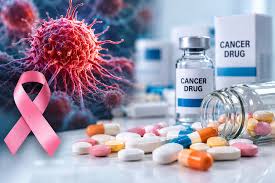
For many families in India, a cancer diagnosis brings more than fear and uncertainty. It also brings a long list of expenses, including medical tests, hospital visits, treatment sessions and medicines. Sometimes, families have to use their savings or borrow money just to continue treatment.
In this situation, even a small reduction in the cost of medicines can make a meaningful difference.
Now, there is an important development. The Indian government has announced a new measure to control trade margins on 137 selected anti-cancer medicines. The revised prices are scheduled to take effect from November 9, 2026, and the government expects the maximum retail prices of some of these medicines to fall by up to 70%. <Cite refs={["turn564340search0","turn564340search2"]}/>
But what does this decision actually mean? Will every cancer patient benefit equally? And why were these medicine prices so important to regulate in the first place?
Let's understand the decision in simple terms.
Why Is Cancer Treatment So Expensive for Many Families?
Cancer treatment is not the same for every patient. The cost depends on the type of cancer, its stage, the treatment recommended by the doctor, the medicines required and the hospital where treatment takes place.
Some patients may need surgery or radiation therapy, while others may require chemotherapy, targeted therapy or immunotherapy. Certain newer medicines can be particularly expensive, especially when treatment needs to continue over an extended period.
For families paying for treatment themselves, the expenses can quickly become difficult to manage. Medical costs may also affect household savings, children's education and everyday needs.
This is why the price of cancer medicines matters. When a medicine is required regularly, its cost can have a significant impact on the family's total treatment expenses.
What Has the Government Announced?
The National Pharmaceutical Pricing Authority (NPPA), which operates under the Department of Pharmaceuticals, Ministry of Chemicals and Fertilizers, has introduced trade margin rationalisation for 137 identified non-scheduled anti-cancer medicines. <Cite refs={["turn564340search0"]}/>
The main points are:
- 137 medicines are covered: The measure applies to a specified list of anti-cancer medicines.
- Trade margins are capped: The pricing mechanism limits the permitted trade margin to 30% under the notified framework.
- New prices start on November 9, 2026: The revised prices are scheduled to become effective on this date.
- Price reductions will vary: The government expects the maximum retail price of covered medicines to fall by up to 70%, depending on their existing price structures.
It is important to understand that the 30% figure refers to the regulated trade margin, not a guaranteed 30% discount for every patient.
What Does a 30% Trade Margin Cap Actually Mean?
To understand the decision, it helps to know how a medicine reaches a patient.
A medicine may pass through manufacturers, distributors, stockists, pharmacies or hospitals before it reaches the person who needs it. The prices and margins at different stages can influence the final amount paid by the patient.
The new measure sets a limit on the trade margin for the identified medicines. It is intended to prevent excessive mark-ups in the supply chain.
According to the government announcement, the revised maximum retail prices of the covered medicines are expected to decrease by as much as 70%, although the actual reduction will depend on the medicine.
For example, imagine a medicine currently costs ₹10,000 per pack and its revised maximum retail price is eventually set at ₹6,000. In that hypothetical case, the reduction would be ₹4,000, or 40%.
This is only an illustration. It does not represent the confirmed revised price of any specific cancer medicine.
The actual price change must be checked against the official revised price list.
Which Cancer Medicines Are Included?
The notified list covers selected medicines used in different types of cancer treatment, including certain targeted therapies and immunotherapies.
These medicines are used in specific clinical situations. They are not interchangeable, and whether a medicine is suitable depends on the patient's diagnosis and the treating oncologist's recommendation.
The policy applies to the notified formulations, including the relevant strengths and dosage forms covered by the order. Patients should check the exact medicine name, formulation and strength rather than assuming that every product used for cancer treatment is included.
How Much Money Could Patients Save?
The government has estimated that the measure could result in annual savings of approximately ₹2,500 crore for consumers. This is an estimate of the potential overall impact, not a guarantee of savings for every individual patient.
The benefit for an individual will depend on several factors, including:
- Whether the prescribed medicine is included in the notified list.
- How much its maximum retail price changes.
- The dose and quantity required.
- How frequently the medicine is used.
- Other expenses associated with treatment.
For a family paying substantial amounts for medicines, a lower price could free up money for other essential expenses. However, the total cost of cancer care may still include consultations, diagnostic tests, hospital charges, procedures and medicines that are not covered by this particular measure.
Therefore, the announcement is a significant pricing intervention, but it should not be interpreted as meaning that all cancer treatment will become inexpensive.
When Will the New Prices Apply?
The revised prices are scheduled to come into effect on **November 9, 2026**, according to the official government announcement. Manufacturers have been directed to submit revised prices to the NPPA following the notification.
Patients and caregivers should check the updated price information after the revised prices take effect.
The NPPA website is an important source for official pricing notifications. Patients can also ask their hospital pharmacy or registered pharmacist to confirm the applicable price of their prescribed medicine.
If a bill appears inconsistent with the applicable notified price, keep the invoice and medicine packaging and seek clarification from the pharmacy or the relevant drug-price authority.
Is This Enough to Make Cancer Treatment Affordable?
Lower medicine prices can help, but affordability involves more than the cost of drugs alone.
Families may also face high hospital bills, travel expenses, lost income and the cost of repeated appointments. Some patients travel long distances to reach specialist cancer centres, which adds further pressure to household finances.
This means that medicine-price regulation is one part of a much larger challenge.
Better access to affordable diagnostics, public healthcare facilities, health insurance, patient support programmes and transparent hospital billing can also play an important role in reducing the financial burden.
For patients, the most useful outcome will be a system in which prescribed treatment is accessible, prices are transparent and families can understand the costs they are expected to pay.
What Should Cancer Patients and Families Do Now?
If you or someone in your family is receiving cancer treatment, a few practical steps may help:
Check the exact medicine. Confirm the medicine's name, strength and formulation against the official list.
Ask for the updated price. After November 9, request the applicable revised price from the hospital pharmacy or registered pharmacist.
Keep your bills. Save prescriptions, invoices and medicine packaging so that you can compare prices accurately.
Discuss alternatives only with your oncologist. Do not stop, delay or replace prescribed treatment based on a price announcement or advice from social media.
Ask about financial support. Depending on eligibility, public hospitals, government health schemes, insurance and patient assistance programmes may offer additional help.
In this situation, even a small reduction in the cost of medicines can make a meaningful difference.
Now, there is an important development. The Indian government has announced a new measure to control trade margins on 137 selected anti-cancer medicines. The revised prices are scheduled to take effect from November 9, 2026, and the government expects the maximum retail prices of some of these medicines to fall by up to 70%. <Cite refs={["turn564340search0","turn564340search2"]}/>
But what does this decision actually mean? Will every cancer patient benefit equally? And why were these medicine prices so important to regulate in the first place?
Let's understand the decision in simple terms.
Why Is Cancer Treatment So Expensive for Many Families?
Cancer treatment is not the same for every patient. The cost depends on the type of cancer, its stage, the treatment recommended by the doctor, the medicines required and the hospital where treatment takes place.
Some patients may need surgery or radiation therapy, while others may require chemotherapy, targeted therapy or immunotherapy. Certain newer medicines can be particularly expensive, especially when treatment needs to continue over an extended period.
For families paying for treatment themselves, the expenses can quickly become difficult to manage. Medical costs may also affect household savings, children's education and everyday needs.
This is why the price of cancer medicines matters. When a medicine is required regularly, its cost can have a significant impact on the family's total treatment expenses.
What Has the Government Announced?
The National Pharmaceutical Pricing Authority (NPPA), which operates under the Department of Pharmaceuticals, Ministry of Chemicals and Fertilizers, has introduced trade margin rationalisation for 137 identified non-scheduled anti-cancer medicines. <Cite refs={["turn564340search0"]}/>
The main points are:
- 137 medicines are covered: The measure applies to a specified list of anti-cancer medicines.
- Trade margins are capped: The pricing mechanism limits the permitted trade margin to 30% under the notified framework.
- New prices start on November 9, 2026: The revised prices are scheduled to become effective on this date.
- Price reductions will vary: The government expects the maximum retail price of covered medicines to fall by up to 70%, depending on their existing price structures.
It is important to understand that the 30% figure refers to the regulated trade margin, not a guaranteed 30% discount for every patient.
What Does a 30% Trade Margin Cap Actually Mean?
To understand the decision, it helps to know how a medicine reaches a patient.
A medicine may pass through manufacturers, distributors, stockists, pharmacies or hospitals before it reaches the person who needs it. The prices and margins at different stages can influence the final amount paid by the patient.
The new measure sets a limit on the trade margin for the identified medicines. It is intended to prevent excessive mark-ups in the supply chain.
According to the government announcement, the revised maximum retail prices of the covered medicines are expected to decrease by as much as 70%, although the actual reduction will depend on the medicine.
For example, imagine a medicine currently costs ₹10,000 per pack and its revised maximum retail price is eventually set at ₹6,000. In that hypothetical case, the reduction would be ₹4,000, or 40%.
This is only an illustration. It does not represent the confirmed revised price of any specific cancer medicine.
The actual price change must be checked against the official revised price list.
Which Cancer Medicines Are Included?
The notified list covers selected medicines used in different types of cancer treatment, including certain targeted therapies and immunotherapies.
These medicines are used in specific clinical situations. They are not interchangeable, and whether a medicine is suitable depends on the patient's diagnosis and the treating oncologist's recommendation.
The policy applies to the notified formulations, including the relevant strengths and dosage forms covered by the order. Patients should check the exact medicine name, formulation and strength rather than assuming that every product used for cancer treatment is included.
How Much Money Could Patients Save?
The government has estimated that the measure could result in annual savings of approximately ₹2,500 crore for consumers. This is an estimate of the potential overall impact, not a guarantee of savings for every individual patient.
The benefit for an individual will depend on several factors, including:
- Whether the prescribed medicine is included in the notified list.
- How much its maximum retail price changes.
- The dose and quantity required.
- How frequently the medicine is used.
- Other expenses associated with treatment.
For a family paying substantial amounts for medicines, a lower price could free up money for other essential expenses. However, the total cost of cancer care may still include consultations, diagnostic tests, hospital charges, procedures and medicines that are not covered by this particular measure.
Therefore, the announcement is a significant pricing intervention, but it should not be interpreted as meaning that all cancer treatment will become inexpensive.
When Will the New Prices Apply?
The revised prices are scheduled to come into effect on **November 9, 2026**, according to the official government announcement. Manufacturers have been directed to submit revised prices to the NPPA following the notification.
Patients and caregivers should check the updated price information after the revised prices take effect.
The NPPA website is an important source for official pricing notifications. Patients can also ask their hospital pharmacy or registered pharmacist to confirm the applicable price of their prescribed medicine.
If a bill appears inconsistent with the applicable notified price, keep the invoice and medicine packaging and seek clarification from the pharmacy or the relevant drug-price authority.
Is This Enough to Make Cancer Treatment Affordable?
Lower medicine prices can help, but affordability involves more than the cost of drugs alone.
Families may also face high hospital bills, travel expenses, lost income and the cost of repeated appointments. Some patients travel long distances to reach specialist cancer centres, which adds further pressure to household finances.
This means that medicine-price regulation is one part of a much larger challenge.
Better access to affordable diagnostics, public healthcare facilities, health insurance, patient support programmes and transparent hospital billing can also play an important role in reducing the financial burden.
For patients, the most useful outcome will be a system in which prescribed treatment is accessible, prices are transparent and families can understand the costs they are expected to pay.
What Should Cancer Patients and Families Do Now?
If you or someone in your family is receiving cancer treatment, a few practical steps may help:
Check the exact medicine. Confirm the medicine's name, strength and formulation against the official list.
Ask for the updated price. After November 9, request the applicable revised price from the hospital pharmacy or registered pharmacist.
Keep your bills. Save prescriptions, invoices and medicine packaging so that you can compare prices accurately.
Discuss alternatives only with your oncologist. Do not stop, delay or replace prescribed treatment based on a price announcement or advice from social media.
Ask about financial support. Depending on eligibility, public hospitals, government health schemes, insurance and patient assistance programmes may offer additional help.
0
5
Comments (0)
Login to comment.