
Uttarakhand Investment Summit: ₹3.56 Lakh Crore Promises vs Reality
For a young person living in the hills of Uttarakhand, the dream is often simple: a decent job close to home, a stable income and the opportunity to support their family without having to move to another state.
Every year, many young people leave their villages and towns in search of employment in Delhi, Noida, Chandigarh and other cities. Families stay behind, hoping that one day their children will find good opportunities closer to home.
That is why government announcements about investments worth thousands of crores create so much hope. People expect new industries, better infrastructure and more jobs for local residents.
But an important question remains: **How much of the promised investment has actually reached the ground, and how much difference has it made to the lives of ordinary people?**
₹3.56 Lakh Crore in Investment Agreements: What Happened Next?
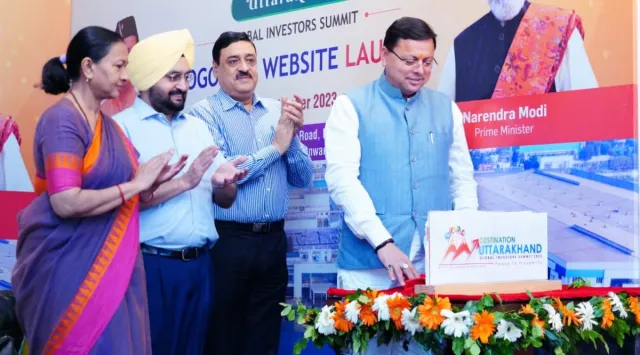
In December 2023, the Uttarakhand government organised the Global Investors Summit to attract businesses and encourage investment in the state.
The government announced that 1,779 Memorandums of Understanding (MoUs) had been signed, representing proposed investments worth approximately ₹3.56 lakh crore.
In July 2025, Chief Minister Pushkar Singh Dhami stated that investment worth ₹1 lakh crore had reached the implementation stage.
These announcements raised expectations about industrial growth, economic development and new employment opportunities.
However, signing an agreement and establishing a functioning business are two different things. Similarly, starting a project does not automatically mean that it will generate permanent jobs for local residents.
To understand the actual impact, people need to know how many projects have started, how much money has genuinely been invested and how many jobs have been created.
Flour Mills, Fertiliser Shops and Small Clinics in the Investment List?
A July 2026 investigation by Newslaundry raised questions about the way investment projects in Uttarakhand were being counted.
According to the report, the list of investments described as having reached the ground included small businesses such as flour mills, fertiliser and seed shops, and small clinics. The investigation also raised questions about whether some businesses were aware that they had been included in the list.
Small businesses are an important part of any economy. A neighbourhood clinic, a local shop or a flour mill can provide essential services and support livelihoods.
The issue, however, is not whether small businesses deserve recognition. The real question is whether the investment figures accurately distinguish between existing businesses and new investments attracted through the summit.
Was fresh capital invested? Did an existing business expand? Were new jobs created? And what criteria were used to include these businesses in the government's investment figures?
These questions deserve clear answers supported by documents and verifiable data.
₹35,279 Crore Linked to Government-Owned Power Companies
The Newslaundry investigation also reported that ₹35,279 crore of the approximately ₹1 lakh crore in investments described as having reached the ground was linked to Uttarakhand Jal Vidyut Nigam Limited (UJVNL) and THDC India Limited.
These companies are associated with government ownership or participation.
This raises an important question about how the overall investment figure was calculated. How much came from new private investment, and how much was linked to projects involving public-sector companies?
Government-backed infrastructure projects can contribute significantly to economic development. They can improve electricity generation, strengthen infrastructure and support economic activity.
However, when a government presents the success of an investor summit, the contribution of public-sector projects and new private investment should be clearly explained.
A transparent breakdown would help citizens understand where the money came from and what it actually contributed to the state's development.
Why Was a School Reportedly Counted as an Investor?
The investigation also raised questions about the inclusion of a school reportedly supported through Corporate Social Responsibility (CSR) funding and donations, which was associated with an investment figure of ₹24.49 crore.
This example raises a broader question: what exactly qualifies as an investment under the government's reporting framework?
Is the figure linked to new capital expenditure, an existing institution's assets, donations, CSR funding or some other financial contribution?
These categories can have very different meanings. Without clear explanations, it becomes difficult for the public to assess the actual scale of new investment.
The government should provide project-wise details explaining the basis on which each investment was counted.
Dubai and London Roadshows: What Did the Public Get in Return?
Before the Global Investors Summit, the Uttarakhand government organised roadshows in India and abroad to attract investors.
According to the Newslaundry investigation, approximately ₹100 crore was spent on these roadshows. The report also questioned investment claims of around ₹27,975 crore associated with roadshows in Dubai and London, noting that it could not find companies from these two cities in the list of investments reported as having reached the ground.
International roadshows can be useful for building business relationships and attracting investment. Their success, however, should be measured by tangible results rather than announcements alone.
How many projects moved forward because of these meetings? How much investment actually arrived? How many jobs were created?
When public money is spent on promotional events, citizens deserve a clear account of the outcomes.
The objective should not simply be to organise impressive events, but to generate measurable economic benefits for the state.
Did the Definition of Investment Change Before the Summit?
Another issue raised in the investigation concerns an alleged change in the criteria used to classify projects as investments that had reached the ground.
The report questioned the timing of this change, which reportedly took place shortly before the summit.
To assess this allegation properly, the relevant government order, the earlier criteria and the revised definition need to be examined together.
There is an important distinction between signing an agreement, receiving approvals, acquiring land, beginning construction and starting commercial operations.
If all these stages are presented under a single category without adequate explanation, the public may struggle to understand how much investment has genuinely materialised.
The government should clarify the criteria used, the date of any changes and how those changes affected the final figures.
The Biggest Question: How Many Jobs Did Uttarakhand’s Youth Get?
Behind every investment announcement are ordinary people hoping for a better future.
For Uttarakhand's young population, development is not just about large companies, impressive events or figures running into thousands of crores. It is about finding stable employment, earning a decent salary and being able to build a future without leaving home.
That is why the employment figures matter as much as the investment figures.
How many people have actually been employed? How many jobs are permanent, and how many are temporary? How many positions have gone to local residents? Are the new opportunities reaching the hill districts, or are they concentrated in a few industrial areas?
These are the questions that can help people understand whether investment announcements are translating into meaningful economic change.
A project may be announced with a substantial investment figure, but citizens also need to know whether it has become operational and whether its promised benefits have materialised.
What Should the Uttarakhand Government Make Public?
The government should publish a comprehensive, publicly accessible record of the investment projects associated with the summit.
This should include the complete list of projects and investors, the amount actually invested, the current status of each project, and a clear distinction between new private investment and projects involving public-sector companies.
It should also disclose employment data, including the number of jobs created, the number of local residents employed and the status of projects that remain incomplete.
A detailed account of roadshow expenditure and the investments resulting from those events would further strengthen public confidence.
If any allegations in the investigation are inaccurate, the government should be able to address them through official records and verifiable evidence.
Asking questions about public expenditure is not the same as opposing development. It is a way of ensuring that development claims can be examined and understood by the people they are meant to benefit.
Every year, many young people leave their villages and towns in search of employment in Delhi, Noida, Chandigarh and other cities. Families stay behind, hoping that one day their children will find good opportunities closer to home.
That is why government announcements about investments worth thousands of crores create so much hope. People expect new industries, better infrastructure and more jobs for local residents.
But an important question remains: **How much of the promised investment has actually reached the ground, and how much difference has it made to the lives of ordinary people?**
₹3.56 Lakh Crore in Investment Agreements: What Happened Next?
In December 2023, the Uttarakhand government organised the Global Investors Summit to attract businesses and encourage investment in the state.
The government announced that 1,779 Memorandums of Understanding (MoUs) had been signed, representing proposed investments worth approximately ₹3.56 lakh crore.
In July 2025, Chief Minister Pushkar Singh Dhami stated that investment worth ₹1 lakh crore had reached the implementation stage.
These announcements raised expectations about industrial growth, economic development and new employment opportunities.
However, signing an agreement and establishing a functioning business are two different things. Similarly, starting a project does not automatically mean that it will generate permanent jobs for local residents.
To understand the actual impact, people need to know how many projects have started, how much money has genuinely been invested and how many jobs have been created.
Flour Mills, Fertiliser Shops and Small Clinics in the Investment List?
A July 2026 investigation by Newslaundry raised questions about the way investment projects in Uttarakhand were being counted.
According to the report, the list of investments described as having reached the ground included small businesses such as flour mills, fertiliser and seed shops, and small clinics. The investigation also raised questions about whether some businesses were aware that they had been included in the list.
Small businesses are an important part of any economy. A neighbourhood clinic, a local shop or a flour mill can provide essential services and support livelihoods.
The issue, however, is not whether small businesses deserve recognition. The real question is whether the investment figures accurately distinguish between existing businesses and new investments attracted through the summit.
Was fresh capital invested? Did an existing business expand? Were new jobs created? And what criteria were used to include these businesses in the government's investment figures?
These questions deserve clear answers supported by documents and verifiable data.
₹35,279 Crore Linked to Government-Owned Power Companies
The Newslaundry investigation also reported that ₹35,279 crore of the approximately ₹1 lakh crore in investments described as having reached the ground was linked to Uttarakhand Jal Vidyut Nigam Limited (UJVNL) and THDC India Limited.
These companies are associated with government ownership or participation.
This raises an important question about how the overall investment figure was calculated. How much came from new private investment, and how much was linked to projects involving public-sector companies?
Government-backed infrastructure projects can contribute significantly to economic development. They can improve electricity generation, strengthen infrastructure and support economic activity.
However, when a government presents the success of an investor summit, the contribution of public-sector projects and new private investment should be clearly explained.
A transparent breakdown would help citizens understand where the money came from and what it actually contributed to the state's development.
Why Was a School Reportedly Counted as an Investor?
The investigation also raised questions about the inclusion of a school reportedly supported through Corporate Social Responsibility (CSR) funding and donations, which was associated with an investment figure of ₹24.49 crore.
This example raises a broader question: what exactly qualifies as an investment under the government's reporting framework?
Is the figure linked to new capital expenditure, an existing institution's assets, donations, CSR funding or some other financial contribution?
These categories can have very different meanings. Without clear explanations, it becomes difficult for the public to assess the actual scale of new investment.
The government should provide project-wise details explaining the basis on which each investment was counted.
Dubai and London Roadshows: What Did the Public Get in Return?
Before the Global Investors Summit, the Uttarakhand government organised roadshows in India and abroad to attract investors.
According to the Newslaundry investigation, approximately ₹100 crore was spent on these roadshows. The report also questioned investment claims of around ₹27,975 crore associated with roadshows in Dubai and London, noting that it could not find companies from these two cities in the list of investments reported as having reached the ground.
International roadshows can be useful for building business relationships and attracting investment. Their success, however, should be measured by tangible results rather than announcements alone.
How many projects moved forward because of these meetings? How much investment actually arrived? How many jobs were created?
When public money is spent on promotional events, citizens deserve a clear account of the outcomes.
The objective should not simply be to organise impressive events, but to generate measurable economic benefits for the state.
Did the Definition of Investment Change Before the Summit?
Another issue raised in the investigation concerns an alleged change in the criteria used to classify projects as investments that had reached the ground.
The report questioned the timing of this change, which reportedly took place shortly before the summit.
To assess this allegation properly, the relevant government order, the earlier criteria and the revised definition need to be examined together.
There is an important distinction between signing an agreement, receiving approvals, acquiring land, beginning construction and starting commercial operations.
If all these stages are presented under a single category without adequate explanation, the public may struggle to understand how much investment has genuinely materialised.
The government should clarify the criteria used, the date of any changes and how those changes affected the final figures.
The Biggest Question: How Many Jobs Did Uttarakhand’s Youth Get?
Behind every investment announcement are ordinary people hoping for a better future.
For Uttarakhand's young population, development is not just about large companies, impressive events or figures running into thousands of crores. It is about finding stable employment, earning a decent salary and being able to build a future without leaving home.
That is why the employment figures matter as much as the investment figures.
How many people have actually been employed? How many jobs are permanent, and how many are temporary? How many positions have gone to local residents? Are the new opportunities reaching the hill districts, or are they concentrated in a few industrial areas?
These are the questions that can help people understand whether investment announcements are translating into meaningful economic change.
A project may be announced with a substantial investment figure, but citizens also need to know whether it has become operational and whether its promised benefits have materialised.
What Should the Uttarakhand Government Make Public?
The government should publish a comprehensive, publicly accessible record of the investment projects associated with the summit.
This should include the complete list of projects and investors, the amount actually invested, the current status of each project, and a clear distinction between new private investment and projects involving public-sector companies.
It should also disclose employment data, including the number of jobs created, the number of local residents employed and the status of projects that remain incomplete.
A detailed account of roadshow expenditure and the investments resulting from those events would further strengthen public confidence.
If any allegations in the investigation are inaccurate, the government should be able to address them through official records and verifiable evidence.
Asking questions about public expenditure is not the same as opposing development. It is a way of ensuring that development claims can be examined and understood by the people they are meant to benefit.
0
4
Comments (0)
Login to comment.