

India-US Trade Deal 99% Complete, Says Marco Rubio: Agreement Expected in Weeks
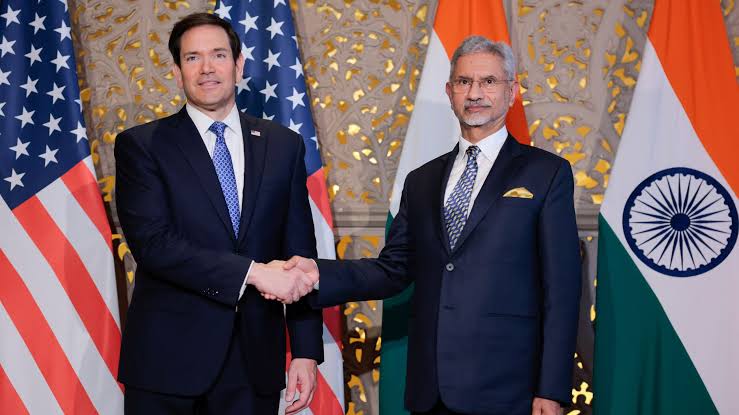
US Secretary of State Marco Rubio says India and the United States are close to finalising a long-awaited trade agreement. While most of the work is reportedly complete, differences over the wording of the deal remain. Washington has also clarified its position on tariffs linked to India's purchases of Russian oil.
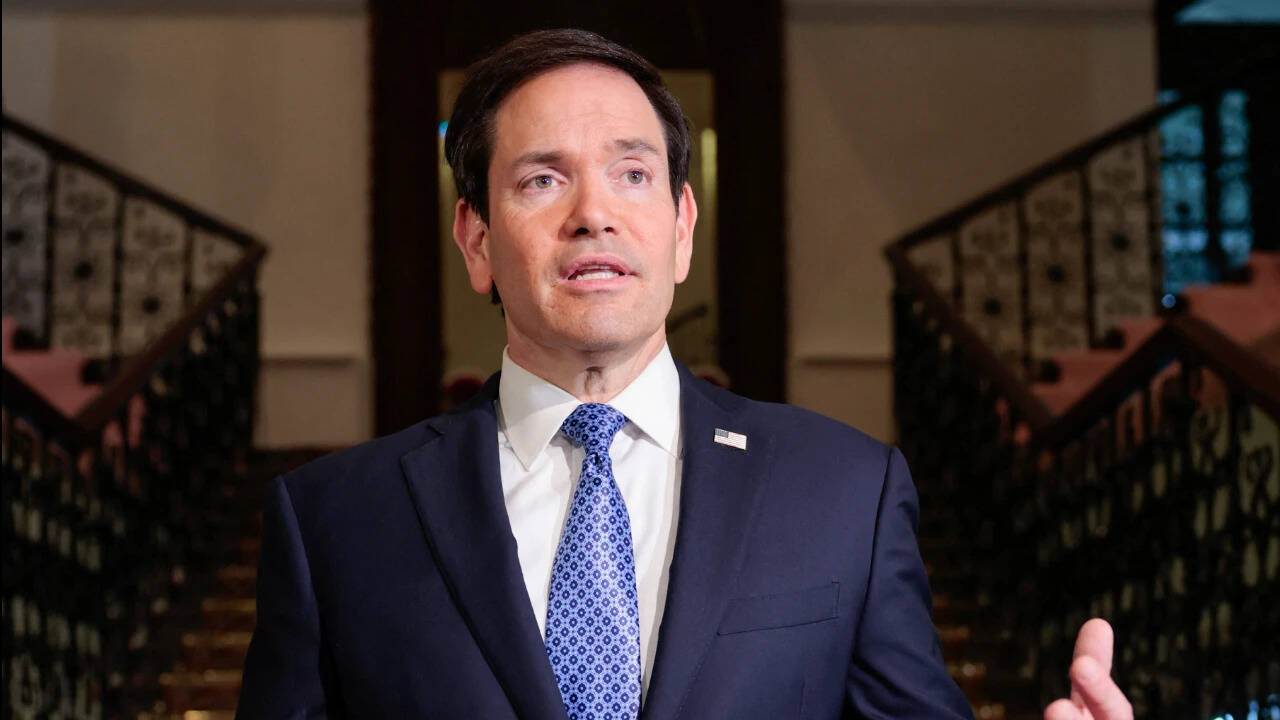
The long-awaited trade agreement between India and the United States could be finalised within the coming weeks, according to US Secretary of State Marco Rubio. During his visit to India, Rubio said that approximately 99 per cent of the work on the proposed deal had been completed, expressing confidence that the remaining issues could be resolved soon.
In an interview with The Indian Express published on October 21, Rubio described the negotiations as being at an advanced stage. He indicated that the two countries were weeks, rather than months, away from finalising the agreement.
The development comes after more than a year and a half of negotiations between New Delhi and Washington, during which trade disagreements, tariff measures and differences over India's purchases of Russian crude oil complicated bilateral relations.
Although the latest comments have raised expectations of a breakthrough, the agreement has not yet been formally concluded. Both sides still need to settle the outstanding issues and complete the necessary legal and procedural steps.
India-US Trade Deal: What Did Marco Rubio Say?
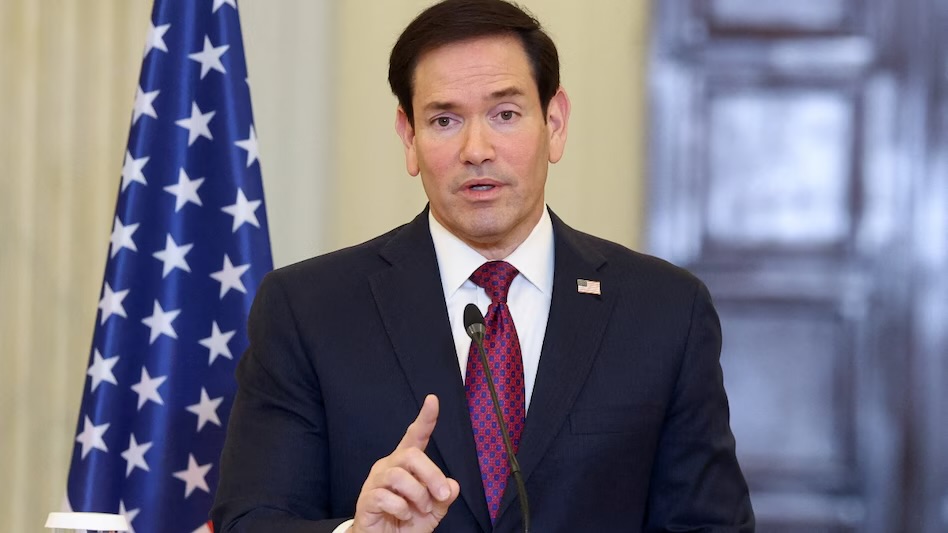
Rubio said that the two countries were extremely close to reaching an agreement and that most of the negotiating work had already been completed.
He estimated that 99 per cent of the work was done but stressed that the remaining issues could not simply be ignored. A trade agreement must be fully agreed upon by both parties before it can be signed and implemented.
According to Rubio, the outstanding differences primarily concern the interpretation of particular words and phrases in the proposed agreement. He declined to discuss the specific points of disagreement but indicated that both governments needed to be satisfied with the final language.
His remarks suggest that the negotiations have moved beyond the broad objective of reaching a deal and are now focused on resolving the remaining details.
However, the 99 per cent figure represents Rubio's assessment of the negotiations. It does not mean that the agreement has already been signed or that all commercial terms have been publicly confirmed.
When Will the India-US Trade Deal Be Finalised?
Rubio indicated that the agreement could be finalised within weeks rather than months. His remarks offer a clearer indication of the expected timeframe, although he did not announce a specific signing date.
The negotiations have experienced several delays, with trade tariffs and disagreements over market access emerging as significant obstacles. The latest diplomatic engagement has renewed hopes that the two countries could reach a settlement in the near future.
On October 20, Rubio also told reporters in Mumbai that the two sides were very close to completing the agreement and that only a small number of issues remained to be resolved.
India's government has also indicated that the first phase of the agreement is approaching completion. Indian officials have emphasised, however, that the final terms must provide Indian exporters with a competitive position in the US market.
Consequently, the coming weeks could prove important for the negotiations, but the final outcome will depend on whether both governments can settle the remaining differences.
Why Has the Trade Agreement Taken So Long?
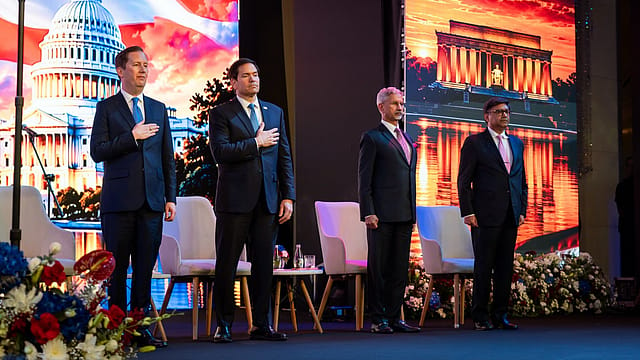
India and the United States have been negotiating a trade agreement intended to expand economic cooperation, improve market access and establish more predictable trading conditions for businesses.
However, the talks have been complicated by disagreements over tariffs and the conditions under which goods from each country would enter the other's market.
The United States has sought greater access to India's market, while India has focused on protecting the interests of domestic industries and securing favourable conditions for Indian exporters.
Another major concern has been the level of tariffs imposed on Indian goods entering the American market.
In August 2025, the United States imposed tariffs of up to 50 per cent on many Indian goods after earlier negotiations broke down. Under a framework agreed in February 2026, the applicable tariff rate was reduced to 18 per cent, although the broader negotiations subsequently encountered further difficulties.
The precise impact of the final agreement will depend on its product-specific provisions, exceptions, implementation schedule and any additional commitments made by the two governments.
India Wants Competitive Tariff Conditions
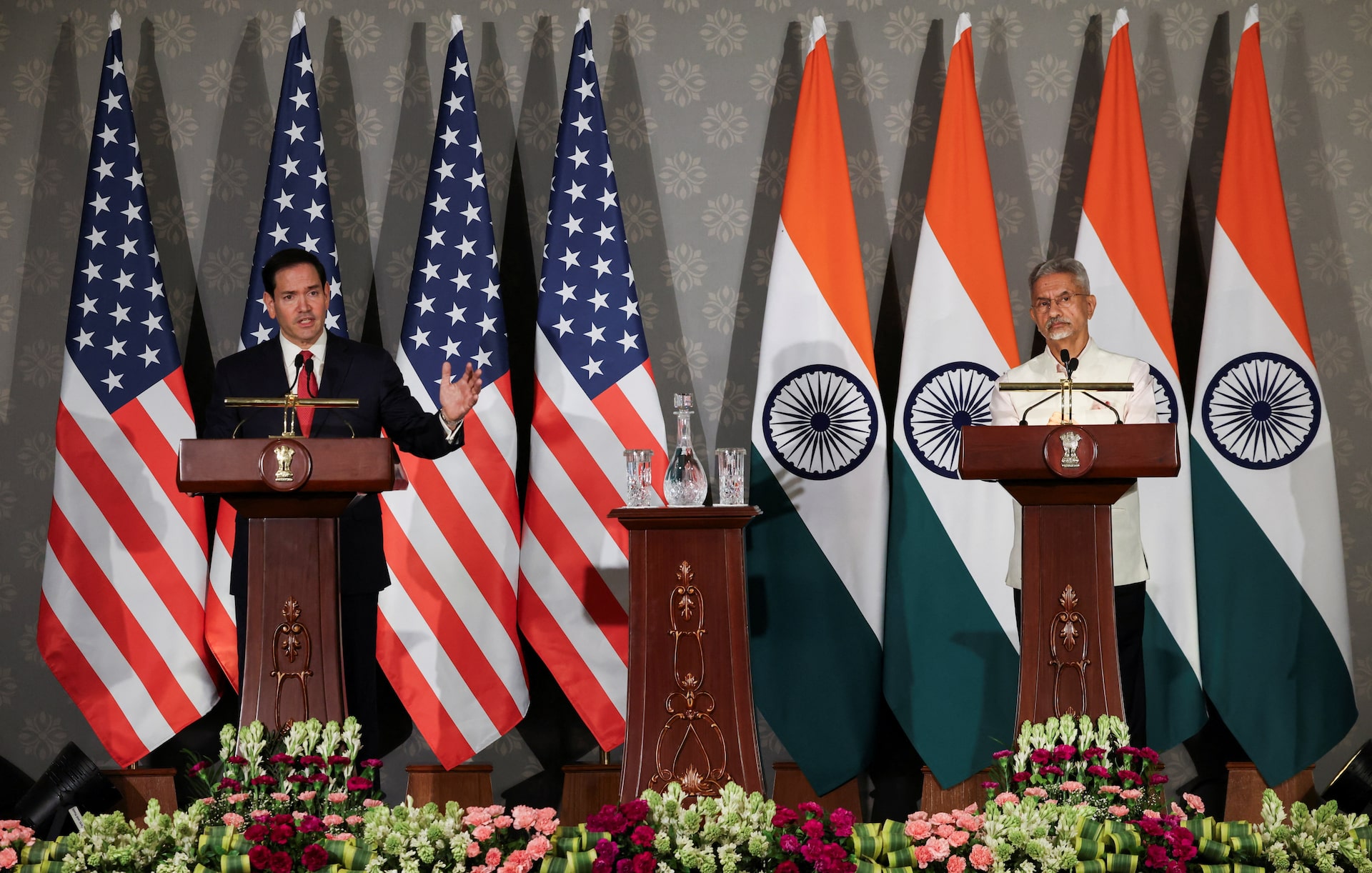
For New Delhi, reaching an agreement is not simply a question of reducing tariffs. India also wants to ensure that its exporters are not placed at a disadvantage compared with businesses in competing economies.
Countries such as Vietnam, Bangladesh and Indonesia compete with India in several export sectors, including textiles, garments, manufacturing and other labour-intensive industries.
Indian officials have therefore emphasised the importance of obtaining comparable or better market access in the United States.
Commerce and Industry Minister Piyush Goyal recently indicated that the first phase of the agreement was in its final stages of legal drafting. Trade Secretary Rajesh Agrawal also said that India hoped to conclude and sign the deal as soon as possible.
The Indian government's position is that the final terms should support the country's export competitiveness while providing businesses with greater certainty about future tariffs.
This is particularly important for manufacturers that depend on the American market and need to make long-term decisions about investment, production capacity and supply chains.
Russian Oil and US Tariffs: What Is Washington's Position?
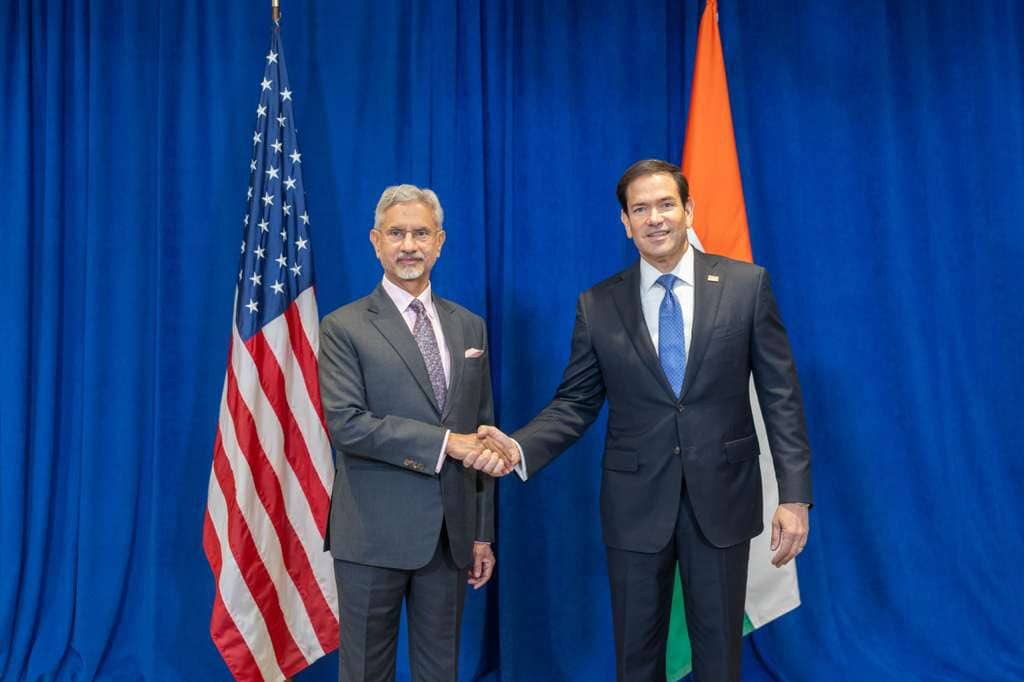
India's purchases of Russian crude oil have been a recurring source of tension between New Delhi and Washington since Russia launched its full-scale invasion of Ukraine in February 2022.
India has continued to buy Russian oil, partly because of commercial considerations, energy security requirements and the availability of competitively priced supplies.
The United States, meanwhile, has used economic pressure and the threat of additional tariffs as part of its wider efforts to influence Russia's energy revenues and respond to the war in Ukraine.
The possibility of additional duties on countries buying Russian energy created further uncertainty for India-US trade negotiations.
However, US President Donald Trump announced a waiver of key Russia-related sanctions and tariff provisions on October 16, 2026, easing an immediate source of concern for India.
Rubio subsequently acknowledged that the trade negotiations with India had been a factor considered in the decision to grant the waiver.
In his remarks, the US secretary of state said that tariffs were not intended to punish or harm India. He explained that the measures formed part of a broader American foreign policy approach linked to the Russia-Ukraine war.
Rubio also acknowledged that such measures could affect economic relations if they were not managed carefully.
His comments indicate that Washington recognises the importance of maintaining its economic relationship with India while pursuing its broader foreign policy objectives.
Nevertheless, the waiver should not automatically be interpreted as a permanent end to every possible tariff or sanctions measure related to Russian energy. The future of these policies will depend on subsequent US decisions and the applicable legal framework.
Why Does Russian Oil Matter to India?
India is one of the world's major crude oil importers and relies heavily on overseas supplies to meet its energy requirements.
Russian crude has become an important part of India's supply mix because of pricing, refinery requirements and the need to maintain a diverse range of suppliers.
An abrupt reduction in Russian oil purchases could require Indian refiners to secure alternative supplies from other markets. Such a change could affect procurement costs, shipping arrangements and refinery economics.
For India, the central challenge is to balance affordable energy supplies with its diplomatic and economic relationships with major international partners.
The government has maintained that energy decisions must take account of domestic demand, market stability and the interests of Indian consumers.
At the same time, the United States has encouraged India to diversify its energy imports, including by purchasing more American energy products.
The recent diplomatic discussions suggest that both governments are looking for ways to manage their differences without allowing them to derail wider economic cooperation.
India and the US Discuss Trade, Energy, Technology and Defence
Rubio's visit to India has taken place against the backdrop of efforts to strengthen bilateral relations across several areas.
During his meetings in Mumbai on October 20, Rubio held discussions with India's External Affairs Minister S. Jaishankar. The talks covered trade, energy, technology, defence and regional developments.
The two ministers also participated in a trilateral meeting with United Arab Emirates Foreign Minister Sheikh Abdullah bin Zayed Al Nahyan, where regional energy security and shared economic priorities were discussed.
These engagements demonstrate that India-US relations extend well beyond tariffs and commercial negotiations.
Both countries have an interest in strengthening technology partnerships, expanding investment, improving supply-chain resilience and deepening defence cooperation.
The United States also views India as an important strategic partner in the Indo-Pacific region, particularly as regional competition and global supply-chain concerns continue to influence international policy.
A successful trade agreement could provide additional momentum to these broader efforts, although progress in one area does not necessarily guarantee agreement on every other issue.
What Could the Trade Deal Mean for Indian Businesses?
If the agreement is finalised on mutually acceptable terms, it could provide greater clarity for companies trading between India and the United States.
The potential benefits would depend on the final tariff schedules and the sectors covered by the agreement.
1. Greater certainty for exporters
Indian exporters could benefit from clearer information about tariff rates, market-access conditions and the rules governing shipments to the United States. Greater predictability can help companies plan production, pricing and investment.
2. Opportunities for manufacturing
More stable trading conditions could support manufacturers looking to expand exports or integrate Indian operations into international supply chains. The scale of the opportunity would depend on the products included and the competitiveness of Indian businesses.
3. Investment and technology cooperation
A broader economic partnership could encourage additional commercial cooperation, including in technology, industrial production, energy and infrastructure. Any actual increase in investment would depend on business decisions and the agreement's implementation.
4. Potential benefits for consumers
Trade agreements can sometimes reduce costs and expand product availability. However, the effect on Indian consumers would depend on the specific goods covered, changes in import duties and the extent to which businesses pass on any savings.
5. Continued challenges for sensitive sectors
Not every industry will necessarily benefit equally. Domestic producers may face greater competition if market access expands, while exporters could remain exposed to duties or restrictions on products that receive limited concessions.
For these reasons, the final text of the agreement will be more important than the headline figure suggesting that 99 per cent of the work has been completed.
What Happens Next?
The immediate priority for both governments is to resolve the outstanding differences in the agreement's wording and complete the remaining negotiating work.
Once the text is settled, the parties will need to finalise the applicable legal procedures and clarify the implementation arrangements.
Businesses will also need to understand the agreement's product coverage, rules of origin, tariff schedules and any conditions attached to market access.
Rubio's assessment that the deal could be completed within weeks is an encouraging signal, but it is not a formal deadline or confirmation of a signing ceremony.
India has made clear that the final arrangement must protect its commercial interests and allow Indian exporters to compete effectively with businesses from other countries.
The United States, meanwhile, will need to balance its trade objectives with its wider economic and foreign policy priorities.
Whether the two sides can resolve the final differences will determine how quickly the agreement moves from negotiations to implementation.
Comments (0)
Login to comment.