

Qutub Minar History: Who Built It, Why Is It So Tall, and What Makes It Unique?
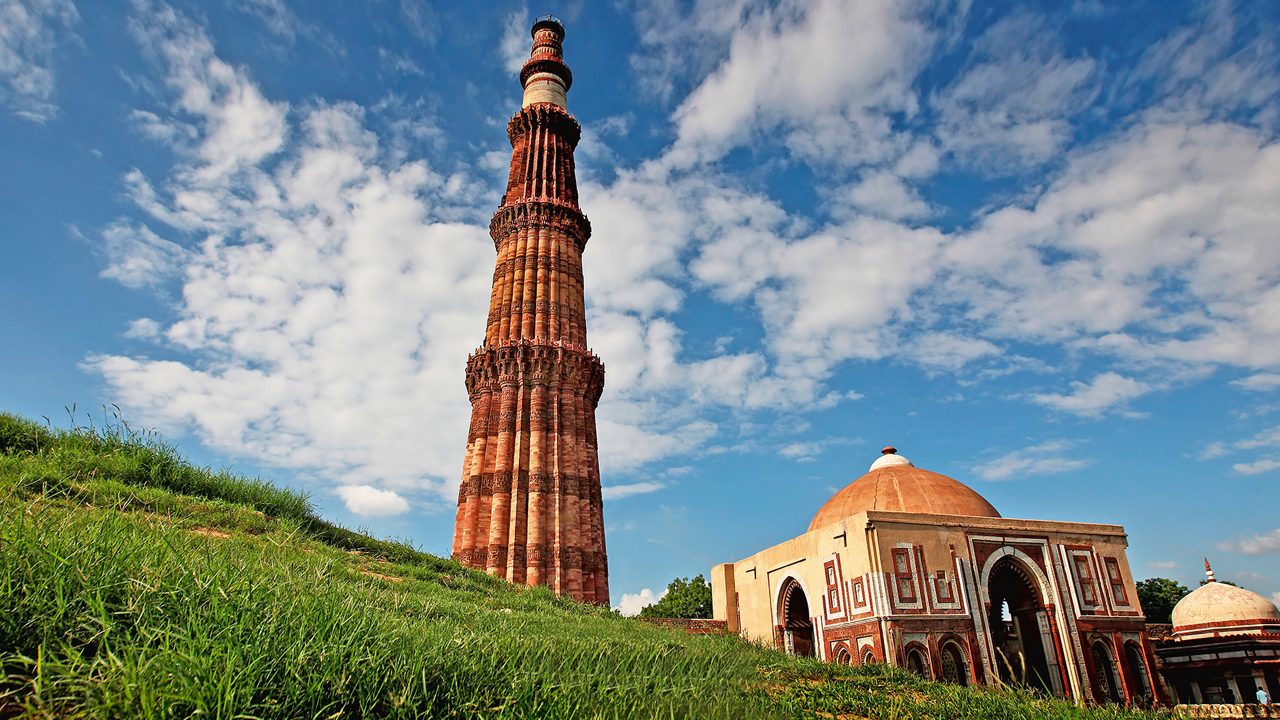
Delhi's Qutub Minar is one of India's most famous historical monuments. Standing 72.5 metres tall, this red sandstone tower has witnessed centuries of political changes, architectural development and restoration work. But who built it, why was it constructed, and what do the other structures inside the complex reveal about medieval Indian history?
The story of Qutub Minar is not just about a tall tower. It is also about the rise of the Delhi Sultanate, the architectural traditions of the period and the history preserved in its surrounding monuments.
Who Built Qutub Minar?
The construction of Qutub Minar was started by Qutb-ud-din Aibak around 1199 CE, after the establishment of his rule in northern India. Aibak was the founder of the Mamluk, or Slave, dynasty of the Delhi Sultanate.
However, Aibak did not complete the entire tower. His successor and son-in-law, Iltutmish, added three more storeys. Later rulers also repaired and modified the structure after it suffered damage.
The monument therefore represents the work of several rulers rather than a single construction project completed in one period.
Why Was Qutub Minar Built?
Qutub Minar is generally understood as a minaret associated with the nearby Quwwat-ul-Islam Mosque. A minaret is a tower traditionally used for the call to prayer.
The tower also carried a message of political authority. Its enormous height, detailed inscriptions and prominent position made it an impressive symbol of the new ruling power in medieval Delhi.
Historians study its architecture alongside the mosque and other monuments in the complex to understand how political authority, religion and architecture were connected during the early Delhi Sultanate.
## How Tall Is Qutub Minar?
Qutub Minar stands approximately 72.5 metres tall, making it the tallest masonry tower in India.
Its base measures around 14.32 metres in diameter, while the diameter near the top is approximately 2.75 metres. This tapering design gives the structure its distinctive appearance.
The tower has five storeys, separated by projecting balconies. Its exterior features red and buff sandstone, decorative fluting and bands of inscriptions.
The alternating angular and rounded patterns make each section visually distinct. These architectural details are part of what makes Qutub Minar an important example of early Indo-Islamic architecture.
The Quwwat-ul-Islam Mosque and the History of the Complex
Qutub Minar is part of a larger archaeological complex, not an isolated monument.
The Quwwat-ul-Islam Mosque was built during the early years of the Delhi Sultanate. Historical records and architectural evidence indicate that materials from dismantled Hindu and Jain temples were reused in the mosque complex.
UNESCO's description of the site identifies reused temple materials among the complex's important historical features. Carved pillars and decorative elements reflect the architectural traditions from which these materials originated.
This evidence is significant for understanding the political and religious changes of the period. It also demonstrates why the complex must be studied through historical records, inscriptions and physical evidence rather than through simplified claims about the past.
The Iron Pillar: A Much Older Piece of History
One of the most fascinating objects inside the Qutub complex is the famous Iron Pillar.
Unlike Qutub Minar, which belongs to the medieval period, the pillar dates to ancient India. Its Sanskrit inscription refers to a ruler named Chandra, widely associated with the Gupta king Chandragupta II.
The pillar is particularly famous for its resistance to corrosion. Its condition has attracted considerable interest from historians, archaeologists and metallurgists studying ancient Indian metalworking.
The pillar was originally erected elsewhere and was later brought to the Qutub complex. It is an important reminder that the site's history extends beyond the period in which Qutub Minar was constructed.
Alauddin Khilji's Unfinished Alai Minar
Another remarkable structure in the complex is the Alai Minar.
Alauddin Khilji began constructing this tower with the ambition of making it substantially larger than Qutub Minar. However, the project was never completed.
Today, visitors can see the massive unfinished base, which stands approximately 25 metres high.
The Alai Minar reveals how medieval rulers used monumental architecture to express ambition and power. It also shows that even grand royal projects could remain incomplete.
Who Repaired Qutub Minar After It Was Damaged?
Qutub Minar has survived lightning strikes and other damage over the centuries.
Historical accounts record damage in the fourteenth century, followed by repairs under rulers including Muhammad bin Tughlaq and Firuz Shah Tughlaq. Sikandar Lodi also carried out restoration work in the early sixteenth century.
Further repairs took place during the colonial period. These interventions helped preserve the tower but also became part of its architectural history.
The monument that visitors see today is therefore the result of its original construction as well as centuries of maintenance and restoration.
Why Is Qutub Minar a UNESCO World Heritage Site?
Qutub Minar and its Monuments were added to the UNESCO World Heritage List in 1993.
The recognition reflects the complex's historical and architectural importance. The site includes Qutub Minar, the Quwwat-ul-Islam Mosque, the Iron Pillar, the tomb of Iltutmish, the Alai Darwaza and other surviving structures.
Together, these monuments provide evidence of the artistic and architectural developments that followed the establishment of the Delhi Sultanate.
Their value lies not only in their appearance but also in the historical information preserved in their materials, inscriptions and design.
The story of Qutub Minar is not just about a tall tower. It is also about the rise of the Delhi Sultanate, the architectural traditions of the period and the history preserved in its surrounding monuments.
Who Built Qutub Minar?
The construction of Qutub Minar was started by Qutb-ud-din Aibak around 1199 CE, after the establishment of his rule in northern India. Aibak was the founder of the Mamluk, or Slave, dynasty of the Delhi Sultanate.
However, Aibak did not complete the entire tower. His successor and son-in-law, Iltutmish, added three more storeys. Later rulers also repaired and modified the structure after it suffered damage.
The monument therefore represents the work of several rulers rather than a single construction project completed in one period.
Why Was Qutub Minar Built?
Qutub Minar is generally understood as a minaret associated with the nearby Quwwat-ul-Islam Mosque. A minaret is a tower traditionally used for the call to prayer.
The tower also carried a message of political authority. Its enormous height, detailed inscriptions and prominent position made it an impressive symbol of the new ruling power in medieval Delhi.
Historians study its architecture alongside the mosque and other monuments in the complex to understand how political authority, religion and architecture were connected during the early Delhi Sultanate.
## How Tall Is Qutub Minar?
Qutub Minar stands approximately 72.5 metres tall, making it the tallest masonry tower in India.
Its base measures around 14.32 metres in diameter, while the diameter near the top is approximately 2.75 metres. This tapering design gives the structure its distinctive appearance.
The tower has five storeys, separated by projecting balconies. Its exterior features red and buff sandstone, decorative fluting and bands of inscriptions.
The alternating angular and rounded patterns make each section visually distinct. These architectural details are part of what makes Qutub Minar an important example of early Indo-Islamic architecture.
The Quwwat-ul-Islam Mosque and the History of the Complex
Qutub Minar is part of a larger archaeological complex, not an isolated monument.
The Quwwat-ul-Islam Mosque was built during the early years of the Delhi Sultanate. Historical records and architectural evidence indicate that materials from dismantled Hindu and Jain temples were reused in the mosque complex.
UNESCO's description of the site identifies reused temple materials among the complex's important historical features. Carved pillars and decorative elements reflect the architectural traditions from which these materials originated.
This evidence is significant for understanding the political and religious changes of the period. It also demonstrates why the complex must be studied through historical records, inscriptions and physical evidence rather than through simplified claims about the past.
The Iron Pillar: A Much Older Piece of History
One of the most fascinating objects inside the Qutub complex is the famous Iron Pillar.
Unlike Qutub Minar, which belongs to the medieval period, the pillar dates to ancient India. Its Sanskrit inscription refers to a ruler named Chandra, widely associated with the Gupta king Chandragupta II.
The pillar is particularly famous for its resistance to corrosion. Its condition has attracted considerable interest from historians, archaeologists and metallurgists studying ancient Indian metalworking.
The pillar was originally erected elsewhere and was later brought to the Qutub complex. It is an important reminder that the site's history extends beyond the period in which Qutub Minar was constructed.
Alauddin Khilji's Unfinished Alai Minar
Another remarkable structure in the complex is the Alai Minar.
Alauddin Khilji began constructing this tower with the ambition of making it substantially larger than Qutub Minar. However, the project was never completed.
Today, visitors can see the massive unfinished base, which stands approximately 25 metres high.
The Alai Minar reveals how medieval rulers used monumental architecture to express ambition and power. It also shows that even grand royal projects could remain incomplete.
Who Repaired Qutub Minar After It Was Damaged?
Qutub Minar has survived lightning strikes and other damage over the centuries.
Historical accounts record damage in the fourteenth century, followed by repairs under rulers including Muhammad bin Tughlaq and Firuz Shah Tughlaq. Sikandar Lodi also carried out restoration work in the early sixteenth century.
Further repairs took place during the colonial period. These interventions helped preserve the tower but also became part of its architectural history.
The monument that visitors see today is therefore the result of its original construction as well as centuries of maintenance and restoration.
Why Is Qutub Minar a UNESCO World Heritage Site?
Qutub Minar and its Monuments were added to the UNESCO World Heritage List in 1993.
The recognition reflects the complex's historical and architectural importance. The site includes Qutub Minar, the Quwwat-ul-Islam Mosque, the Iron Pillar, the tomb of Iltutmish, the Alai Darwaza and other surviving structures.
Together, these monuments provide evidence of the artistic and architectural developments that followed the establishment of the Delhi Sultanate.
Their value lies not only in their appearance but also in the historical information preserved in their materials, inscriptions and design.
💬 Comments (0)
Login to comment.