Nitin Gadkari Calls E20 Protest a Paid Campaign: Who Is He Targeting?
Nitin Gadkari calls opposition to E20 petrol a paid campaign without naming anyone. Here's why Team Bharat is in focus and what the fuel controversy means.
 charchachowk
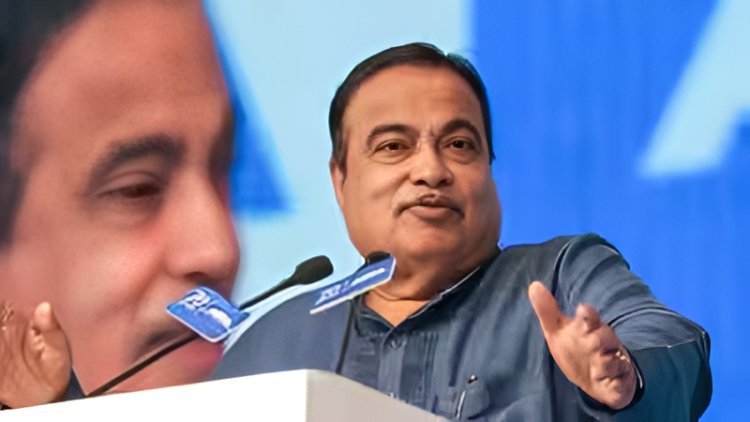
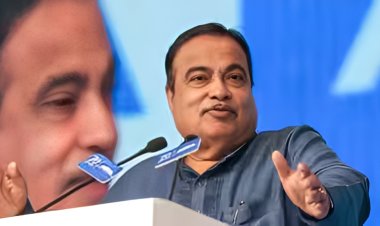
Union Minister Nitin Gadkari has described the backlash against E20 petrol as a “paid campaign,” triggering fresh questions about the people and groups opposing the government’s ethanol-blending policy. Although he did not name anyone, Team Bharat, which has been raising concerns about E20 fuel, has come into focus amid the controversy.
India’s debate over ethanol-blended petrol has taken a new turn after Union Road Transport and Highways Minister Nitin Gadkari alleged that the campaign against E20 fuel was financially motivated.
Speaking at a national conference organised by the Confederation of Indian Industry (CII) on October 27, Gadkari said the criticism surrounding E20 had intensified a few months earlier but had since subsided. He described the backlash as a “paid campaign” and argued that ethanol blending could help India reduce its dependence on imported fossil fuels.
However, the minister did not identify the people or organisations he was referring to, and his statement did not publicly establish who, if anyone, had funded such a campaign.
The timing of his remarks is significant. The government has recently taken another step towards expanding the use of ethanol-based fuels, while concerns about vehicle compatibility, mileage and maintenance continue to be raised by some motorists.
Why Has Team Bharat Come Into Focus?
Team Bharat, an organisation founded by Tahseen Poonawalla, has been vocal in questioning aspects of the E20 petrol policy.
The group has called for greater transparency around the policy and has argued that motorists should have a choice of fuel based on their vehicles' compatibility.
Its demands include making E10 petrol available alongside E20, publishing relevant policy documents and addressing complaints from owners of older vehicles.
Team Bharat also held a press conference on October 24 to raise its concerns.
The organisation's position has therefore become part of the wider debate following Gadkari's remarks. However, there is an important distinction: the minister did not name Team Bharat in the reported statement, and the available reporting does not establish that the organisation received payment to campaign against E20.
Team Bharat's criticism of the policy and the minister's allegation about a paid campaign are separate matters. Any claim about financial backing would require independent evidence.
"Paid Campaign" vs. Real Vehicle Damage:- The Ethanol Blending Debate Explodes
What Exactly Is E20 Petrol?
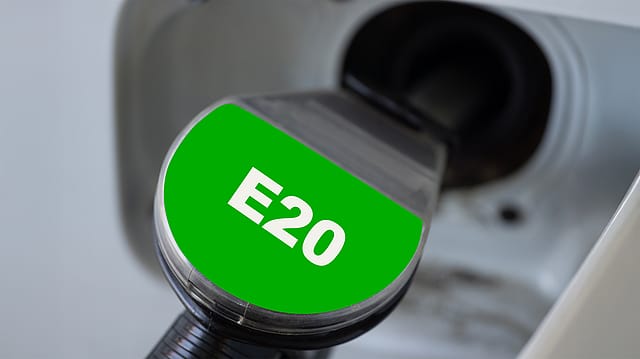
E20 is a blend of conventional petrol and ethanol, containing 20 per cent ethanol and 80 per cent petrol.
Ethanol is an alcohol-based fuel that can be produced from agricultural feedstocks, including sugarcane and certain grains. India has promoted ethanol blending as part of a broader effort to reduce crude oil imports, support domestic agricultural producers and diversify its energy sources.
The government's policy is intended to deliver several benefits:
- Lower dependence on imported oil: Replacing a portion of petrol with domestically produced ethanol can reduce the demand for imported crude oil.
- Support for farmers: Increased ethanol production can create demand for agricultural feedstocks and generate income across the supply chain.
- Potential environmental benefits: Ethanol blending can reduce certain tailpipe emissions, although the overall environmental impact depends on how the ethanol is produced and transported.
The government has defended the programme on these grounds. Critics, however, argue that the benefits must be weighed against the practical experiences and costs faced by vehicle owners.
Why Are Some Motorists Opposing E20?
The controversy is not simply about whether ethanol is a useful alternative fuel. Much of the disagreement centres on how higher ethanol blends affect different vehicles.
Some motorists and consumer groups have raised concerns about reduced fuel efficiency, higher maintenance costs and the compatibility of E20 with older petrol vehicles.
These concerns matter because vehicles differ in their engine design, fuel systems and material compatibility. A vehicle designed for higher ethanol blends may not respond in the same way as an older model that was not developed for E20.
The concerns raised by motorists include:
- Mileage: Some drivers report lower fuel efficiency after switching to E20, although the extent of any change can vary by vehicle and driving conditions.
- Maintenance costs: Owners want clarity on whether long-term use could increase servicing or repair expenses.
- Engine and fuel-system compatibility: Questions remain among some consumers about how older vehicles may perform over time.
- Consumer choice: Critics want access to lower-ethanol blends, including E10, where feasible, so that drivers can choose fuel appropriate for their vehicles.
The government, meanwhile, has said that widespread engine damage attributable to ethanol blending has not been established by verified evidence. Gadkari has also pointed to the large number of vehicles operating on ethanol-blended fuel.
The broader issue is whether consumers have enough reliable, vehicle-specific information to understand the benefits and limitations of the fuel they use.
E100 Fuel Gets the Green Light, but There Is a Catch
Gadkari's remarks came a day after the government notified changes to the Central Motor Vehicles Rules, 1989, allowing flex-fuel vehicles designed to operate on blends containing up to 100 per cent ethanol, known as E100.
The development marks another step towards expanding the range of ethanol-based fuels available for compatible vehicles.
However, the change does not mean that every petrol-powered car or motorcycle can safely use E100.
Flex-fuel vehicles are specifically designed to operate with higher ethanol concentrations. Their fuel-system components and engine-management systems are developed to handle those blends.
Conventional petrol vehicles, including models compatible with E20, should not automatically be treated as suitable for E100. Vehicle owners should follow the manufacturer's fuel specifications and instructions.
The distinction is important because regulatory permission for compatible flex-fuel vehicles is not the same as universal approval for every petrol vehicle to use pure ethanol.
What Has the Petroleum Ministry Said?
Petroleum Minister Hardeep Singh Puri said on October 27 that the government had no immediate plan to increase ethanol blending in petrol beyond the current 20 per cent level.
He also pushed back against claims circulating about biofuels, describing the narrative around E20 as misleading.
At the same time, the wider policy debate has included questions about older vehicles and their ability to handle higher ethanol blends.
The government's position is that ethanol blending offers economic and energy-security benefits, while critics want more clarity about its effects on consumers.
Resolving the disagreement will require transparent information, technical evidence and clear guidance for vehicle owners rather than relying solely on competing claims.
Why Does the E20 Debate Matter to Ordinary Indians?
For many people, a change in petrol policy is not an abstract discussion about energy security. It directly affects their daily expenses.
If a vehicle delivers fewer kilometres per litre, a driver may have to spend more on fuel to cover the same distance. If maintenance costs rise, the financial impact could become even more significant over time.
The effect will not necessarily be identical for every vehicle or driver. That is why reliable testing across different vehicle models, manufacturing years and usage conditions is important.
Consumers also need straightforward answers to practical questions: Is their vehicle compatible with E20? What does the manufacturer recommend? Is a lower-ethanol option available? What should they do if they notice a change in performance?
Clear answers would help motorists make informed decisions while allowing policymakers to evaluate the programme against its stated objectives.
The Bigger Question: Who Funded the Alleged Campaign?
Gadkari's statement has placed the spotlight on the possibility that opposition to E20 was organised or financed. But identifying the people behind an alleged paid campaign requires evidence, not assumptions.
The minister did not name a person, company or organisation in the reported remarks. Team Bharat's public criticism of E20 has drawn attention to the group, but that alone does not establish that it was the target of Gadkari's allegation or that its campaign was funded.
The key questions remain unanswered: Was money paid to promote opposition to E20? If so, who provided the funding, who received it and what evidence supports the allegation?
Until verifiable details emerge, it would be premature to attribute the allegation to a specific group.
At the same time, questions about fuel efficiency, vehicle compatibility and consumer choice deserve to be examined on their technical merits, regardless of who raises them.
E20 Controversy Is Far From Settled
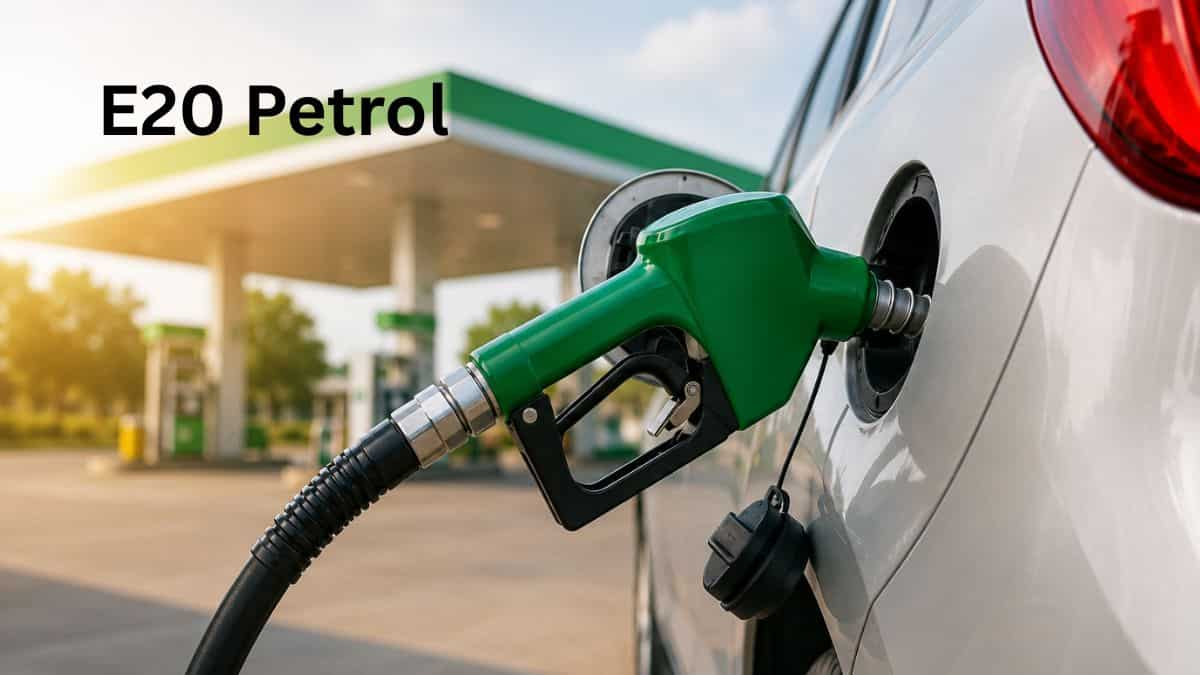
Nitin Gadkari's “paid campaign” remark has added a political dimension to India's ongoing debate over ethanol-blended petrol. His comments have drawn attention to groups questioning the E20 policy, including Team Bharat, but no specific organisation was named in the reported statement.
The government continues to defend ethanol blending as a way to reduce oil imports and support domestic agriculture. Critics want more transparency, better information about older vehicles and greater flexibility in fuel choices.
Ultimately, two questions need to be addressed separately: whether ethanol blending delivers the promised economic and environmental benefits, and whether motorists are receiving sufficient information and protection as the policy expands.
For consumers, clear technical evidence and transparent policymaking will matter far more than speculation about who may be behind the controversy.
Keep following Charcha Chowk for updates on India's fuel policy, automobile news and the issues affecting everyday consumers.